Preserving India’s Botanical Heritage Through Digitization: Visit of Mukti Secretary to BSI, Shibpur
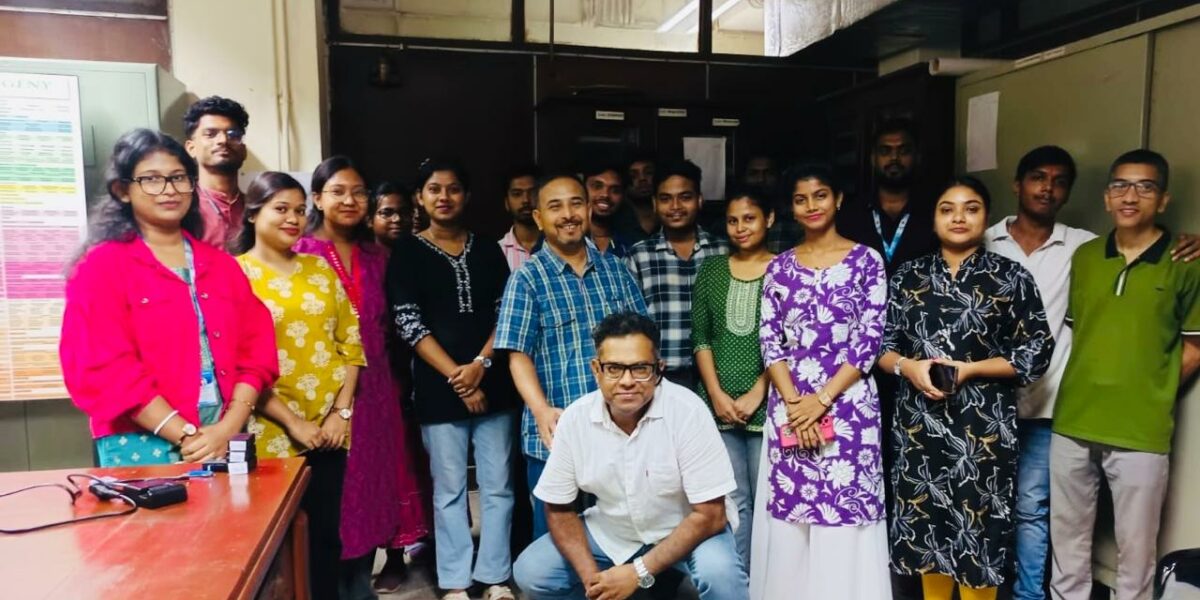
On 11th June 2026, Satyajit Roy, Secretary of Mukti, visited the Botanical Survey of India at Shibpur, Howrah, to review the progress of the large-scale herbarium digitization project currently being executed by Mukti in collaboration with BSI.
The project aims to digitize nearly 20 lakh herbarium specimens preserved at the historic Central National Herbarium. These specimens represent an invaluable repository of India’s botanical and biodiversity heritage collected and preserved over centuries. Once completed, the initiative is expected to become a landmark contribution towards biodiversity conservation, botanical research, and public scientific accessibility.
The primary purpose of the visit was to interact with the project associates working onsite, review the operational workflow, examine the execution setup, assess project progress and challenges, and motivate the team engaged in this nationally significant initiative.
Currently, five dedicated image-capture setups have been established within the BSI premises for high-resolution imaging of herbarium specimens. The project workflow involves multiple stages including high-resolution image capture, secure cloud storage, image correction and processing, annotation, and metadata preparation. In the long term, the project also envisions development of a public-facing application through which researchers, students, and general citizens will be able to search and access information related to herbarium specimens digitally.
The project commenced in October 2025 with a target completion timeline by the end of 2026. The herbarium collections are distributed across seven major halls, densely packed with preserved botanical specimens. As of now, digitization work in two halls has been fully completed, while work across three additional halls is actively progressing.
During the review, it was observed that although the initial phase of the project experienced certain setup-related challenges and operational learning curves associated with the institutional processes and scientific handling protocols, the current execution speed has significantly improved. The rate of image capture and processing has increased considerably in recent months, while subsequent downstream activities are also progressing within planned timelines.
The project team has been advised to continue accelerating the execution pace to compensate for any earlier delays and to proactively address unforeseen challenges that may arise in future stages of the project.
A key highlight of the visit was the interaction between the Secretary and the project associates working at BSI. Addressing the team, Satyajit Roy emphasized two important aspects of the initiative.
Firstly, he highlighted the enormous societal and scientific value of the project. He noted that the digitization effort is not merely a technical assignment, but a landmark contribution towards biodiversity conservation, scientific research, and preservation of India’s botanical legacy for future generations. He encouraged the associates to feel proud of being part of such a transformative and historically important initiative.
Secondly, he reminded the team that due to the national importance of the project, its progress is being closely observed at various levels, including the concerned Ministry of the Government of India. He stressed the importance of maintaining high standards of responsibility, timely delivery, and quality execution beyond expectations.
The motivational interaction was warmly received by the associates and significantly boosted the morale and enthusiasm of the onsite team members.
As part of the visit, Satyajit Roy also interacted with officials of the Botanical Survey of India and visited several historically and scientifically important sections of the institution, including the museum preserving the famous “Roxburgh Icons”.
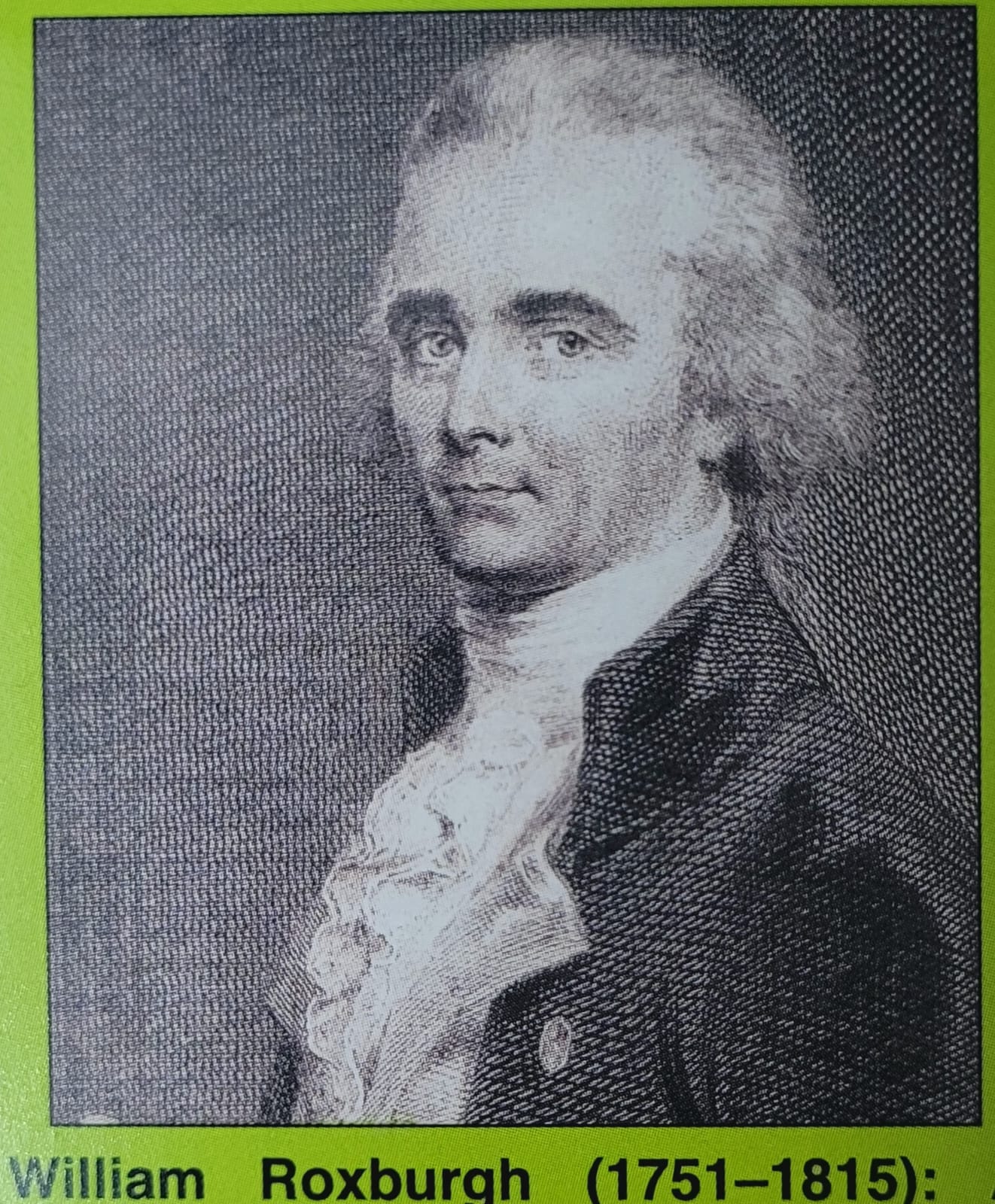
The Botanical Survey of India, established on 13th February 1890, is one of India’s oldest and most significant botanical institutions. Its legacy is deeply associated with William Roxburgh, who served as the first salaried Superintendent of the Calcutta Botanic Garden from 1793 to 1814 and is widely regarded as the “Father of Indian Botany”.
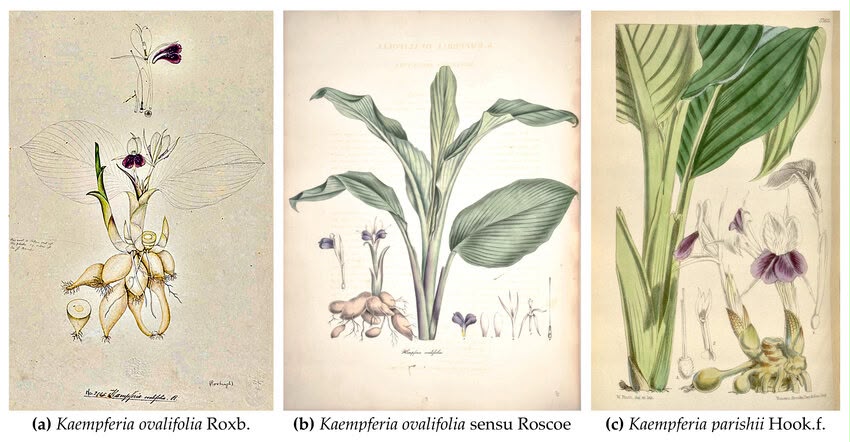
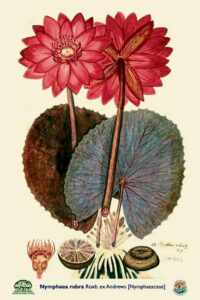
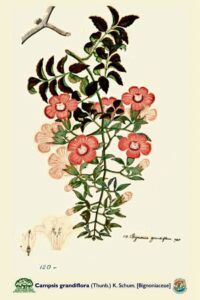
Dr. Roxburgh established the first herbarium of the country, known as the Calcutta Herbarium. Among his most remarkable contributions was the creation of life-sized botanical illustrations during the pre-photographic era. These paintings, created by highly skilled local Indian artists using natural dyes, later became famous as the “Roxburgh Icons”.
Today, this priceless collection is carefully preserved at the Central National Herbarium. The collection includes 3,169 paintings and 476 pencil sketches, of which nearly 2,414 contain scientifically valuable botanical information. The level of detailing, colour accuracy, and structural precision in these paintings continues to astonish researchers even today. From leaf orientation to branch inclination, the illustrations reflect extraordinary observational skill and artistic excellence.
The specially imported paper from England used for these artworks was designed to withstand the climatic conditions of Bengal, which contributed significantly to their preservation over centuries. One historical concern, however, remains that many of the original Indian artists behind these masterpieces were not credited by name during the early period. Later administrations of the garden gradually began documenting and acknowledging the identities of contributing artists wherever possible.
These botanical paintings remain one of the rarest and most valuable scientific-art collections in the world and continue to support botanical and taxonomical research extensively.
The Central National Herbarium and associated collections regularly attract research scholars, botanists, and students from across the country and abroad. The digitization initiative being executed by Mukti is therefore expected to create long-term impact by making this enormous repository of botanical knowledge digitally accessible to the wider scientific community and eventually enabling integration with similar biodiversity databases worldwide.
During the visit, the Secretary also explored the historic Acharya Jagadish Chandra Bose Indian Botanic Garden, one of the world’s largest and oldest botanical gardens.
One of the most iconic attractions of the garden is the world-famous Great Banyan Tree, approximately 270 years old, which has earned a place in the Guinness Book of World Records. Over time, more than 5,000 aerial roots of the tree descended and established themselves as independent supporting trunks, creating the appearance of an entire forest rather than a single tree. Although the original main trunk died several years ago due to fungal infection, the tree continues to thrive through its vast interconnected root system, standing as a remarkable symbol of resilience and continuity.
The garden also hosts numerous rare and research-significant plant species including the unique double coconut palm tree, multi-branch palm varieties, extensive bonsai collections, rare species such as Bryonia (Mountain Rose), and several varieties of lotus and water lilies. These collections continue to play a significant role in botanical education, conservation, and scientific research.
Concluding the visit, Satyajit Roy thanked all associates, officials, and supporting teams for their dedication and hard work. He encouraged everyone to remain motivated, understand the larger purpose behind the initiative, and continue moving forward collectively by overcoming challenges with commitment and responsibility.
The visit proved to be highly effective, insightful, and inspiring for the entire project team, further strengthening the shared vision of preserving India’s botanical heritage through technology-enabled scientific transformation.
Project Activities
- A village for independent and enterprising women (A VIEW) (5)
- About Mukti (11)
- Accreditation (14)
- AGM (63)
- Agriculture Reforms (130)
- Ambulance Service (2)
- Amplifying Community Voices (77)
- Awards (17)
- Awareness and Empowerment (141)
- Awareness drives (64)
- Bio-Village-Kankandighi (10)
- Careers (10)
- Chick Rearing Programme for Marginalised Women (17)
- CHILD (25)
- Climate Resilience River Embankment (46)
- Covid-19 (74)
- Cultural Shows (7)
- Cyclone Aila (13)
- Cyclone Amphan (44)
- Cyclone Bulbul (30)
- Cyclone Dana (3)
- Cyclone Remal (12)
- Cyclone Response & Recovery (90)
- Cyclone Tolerant Houses (15)
- Cyclone Yaas (57)
- Daily Activities USA (25)
- Disaster Recovery (265)
- Editorial (73)
- Editorial by Abir Biswas (1)
- Editorial by Amit Kumar Dey (4)
- Editorial by Ananya Chatterjee (3)
- Editorial by Ankita Kothiyal (5)
- Editorial by Chandrachur Chatterjee (1)
- Editorial by Debabrata Halder (2)
- Editorial by Dr. Alokananda Ghosh Sengupta (2)
- Editorial by Kasturi Bakshi (1)
- Editorial by Monami Mitra (1)
- Editorial by Nandita (4)
- Editorial by Pampa Karmakar (1)
- Editorial by Paramita Panja (1)
- Editorial by Pranay Patra (1)
- Editorial by Prof. Pradeep Ray (1)
- Editorial by Ranitendranath Tagore (2)
- Editorial by Sankar Halder (16)
- Editorial by Satyajit Ray (11)
- Editorial by Sohini Mehta (1)
- Editorial by Sonamon Basu (3)
- Editorial by Soumitra Bose (4)
- Editorial by Subhankar Basu (1)
- Editorial by Supriya Sarkar (1)
- Editorial by Supriyo Banerjee (4)
- Editorial by Ujjwal Maity (2)
- Education and Enrichment (471)
- Environment and Resilience (132)
- Featured Activities (32)
- Gram Clinic (9)
- Health Water & Sanitation (103)
- HOPE (10)
- Impact Stories List (109)
- Integrated Development (247)
- International Management Institute (IMI) (2)
- Jal hi Kal (6)
- KF Mukti Clinic (2)
- Kitchen Gardening (16)
- Livelihood & Enablement (242)
- MCDF (122)
- Medical Camp (48)
- MIT (8)
- MKSS (62)
- MSS (161)
- Mukti Academia (5)
- Mukti Academy (2)
- Mukti BSI Digital Herberium (1)
- Mukti Craft (18)
- Mukti Cultural (2)
- Mukti Employment Exchange (MEE) (29)
- Mukti Fresh (15)
- Mukti Gram - Egra (12)
- Mukti Gram - Purbashridharpur (172)
- Mukti Green Defense in Sundarbans (12)
- Mukti URBAN (18)
- Mukti USA (2)
- Mukti Yoga (12)
- Mukto Dhara (2)
- Navya (3)
- NIRMAN (5)
- Northumbria University (2)
- Obituary (6)
- Observance Days Celebration (54)
- Organic Farming & Training Support (49)
- Pond Rejuvenation (21)
- Prerana (5)
- Projects For Mukti Wide (7)
- Queen Mary University of London (1)
- Rights and Special Needs (132)
- Run for Cause (16)
- Run4SafeFood (11)
- SDF (6)
- Shahoshini (15)
- Skill & Enterprise Development (21)
- Smart lab (5)
- Social Stock Exchange (2)
- Social Workers' Convention (1)
- Sundarbans Green (SUN-G) (15)
- Sunderban development fair project (4)
- Suraksha Songlap (3)
- Surya (29)
- Sustainable Agriculture Movement (67)
- SWAS-2-0 (23)
- Swastha Shongini (33)
- Swavalamban Accelerator in Sundarbans (SWAS) (22)
- Tour for Cause (52)
- TSS (222)
- UDAAN (9)
- Uncategorized (109)
- University of Calcutta (2)
- Value Education (13)
- Valued Partners (3)
- Vocational Trainings (15)
- VOICE (15)
- Voice Sunderban (2)