Highlighting the Top Stories

Feature News

01. Why the project is?

The BSI Herbarium Project is primarily aimed at digitizing and preserving plant specimen records maintained by the Botanical Survey of India (BSI).

Key Objectives
Preservation of Valuable Specimens
Many herbarium sheets are decades or even centuries old and are vulnerable to damage, deterioration, insects, humidity, and handling.
Digital copies help preserve the information permanently.
Creation of a Digital Database
High-resolution images and associated data are captured and stored electronically.
Scientists can access specimen information without physically handling the original sheets.
Support for Research
Enables botanists, taxonomists, ecologists, and researchers to study plant diversity more efficiently.
Facilitates species identification and biodiversity studies.
Improved Accessibility
Researchers across India and worldwide can access specimen records remotely.
Reduces the need to transport fragile specimens.
Documentation of India’s Biodiversity
Provides a comprehensive digital record of India’s plant wealth.
Supports conservation planning and environmental policy decisions.

02. What the project is?

The BSI Herbarium Project is a large-scale digitization initiative of the Botanical Survey of India aimed at preserving and making accessible India’s vast collection of plant specimens.

What is a Herbarium?
A herbarium is a repository of preserved plant specimens that are collected, pressed, dried, mounted on sheets, and stored along with scientific information such as:

Plant name
Collection location
Collection date
Collector details
Habitat and ecological information
These specimens serve as permanent records for botanical research and biodiversity conservation.

Purpose of the Project
The project focuses on:

Digitizing herbarium sheets through high-resolution imaging.
Capturing and validating specimen metadata.
Creating a searchable digital archive.
Preserving fragile and historically important specimens.
Supporting taxonomic, ecological, and conservation research.
Enabling remote access for researchers and institutions worldwide.
Typical Digitization Workflow
Herbarium Sheet Preparation
Image Capture
Image Cropping and Quality Check
Image Upload
Annotation (data extraction from specimen labels)
Annotation Review
BSI Scientific Review and Validation
Integration into the Digital Herbarium Database
Benefits
Long-term preservation of botanical records.
Reduced handling of delicate specimens.
Faster access to specimen data.
Improved biodiversity documentation.
Support for national and international research collaborations.
In essence, the BSI Herbarium Project is a digital transformation effort that converts millions of physical plant specimens into a secure, searchable, and scientifically valuable digital resource, helping preserve India’s botanical heritage for future generations.

03. How the project is?

The Herbarium Project is a highly specialized scientific digitization project that combines botany, imaging, data processing, and quality control to create a permanent digital record of plant specimens.

How the Project Works

1. Specimen Preparation
Herbarium sheets are selected from the collection.
Sheets are checked for condition and completeness.
Unique barcodes are assigned (if not already present).

2. Image Capture
High-resolution photographs of each herbarium sheet are taken.
Images must clearly show the specimen, labels, barcode, and annotations.

3. Image Processing
Images are cropped and adjusted according to project standards.
Quality checks ensure readability and image clarity.

4. Image Upload
Processed images are uploaded to a central repository or database.
Metadata is linked with the corresponding specimen.

5. Annotation
Information from specimen labels is extracted and entered into structured fields.
Typical fields include:
Scientific name
Collector name
Collection number
Collection date
Location
Habitat details

6. Review and Validation
Annotation reviewers verify data accuracy.
Scientific experts from Botanical Survey of India validate taxonomic and collection information.

7. Digital Archive Creation
Approved records are stored in a searchable digital herbarium.
Researchers can access specimens online without handling the originals.
Why It Is Important
Preserves fragile specimens for future generations.
Supports plant taxonomy and biodiversity research.
Creates a national digital record of India’s flora.
Improves accessibility for scientists worldwide.
Reduces physical handling and risk of specimen damage.
Key Success Factors
For projects like the BSI Herbarium digitization effort, success depends on:

Consistent image quality
Accurate annotation
Strong quality control
Efficient workflow management
Timely scientific review and validation
In summary, the Herbarium Project transforms physical plant specimen collections into a reliable digital resource through a workflow of image capture → processing → annotation → review → scientific validation → digital archiving.

04. Where the project is?

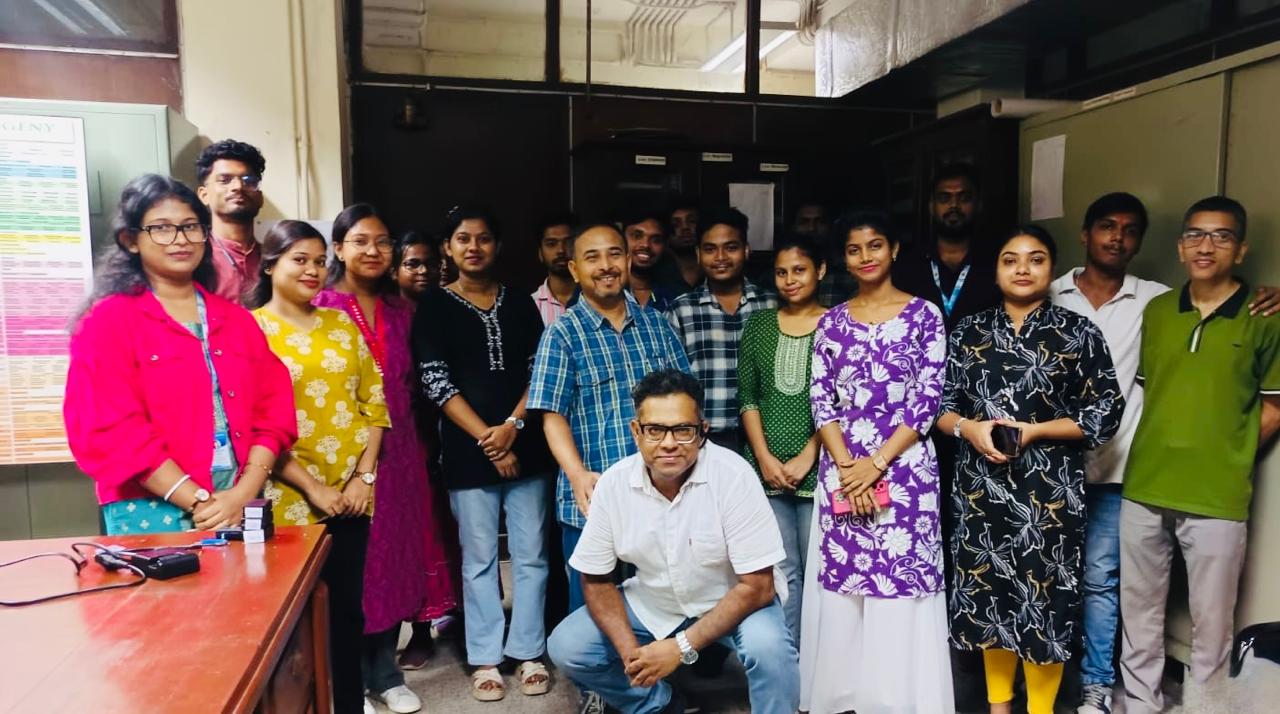
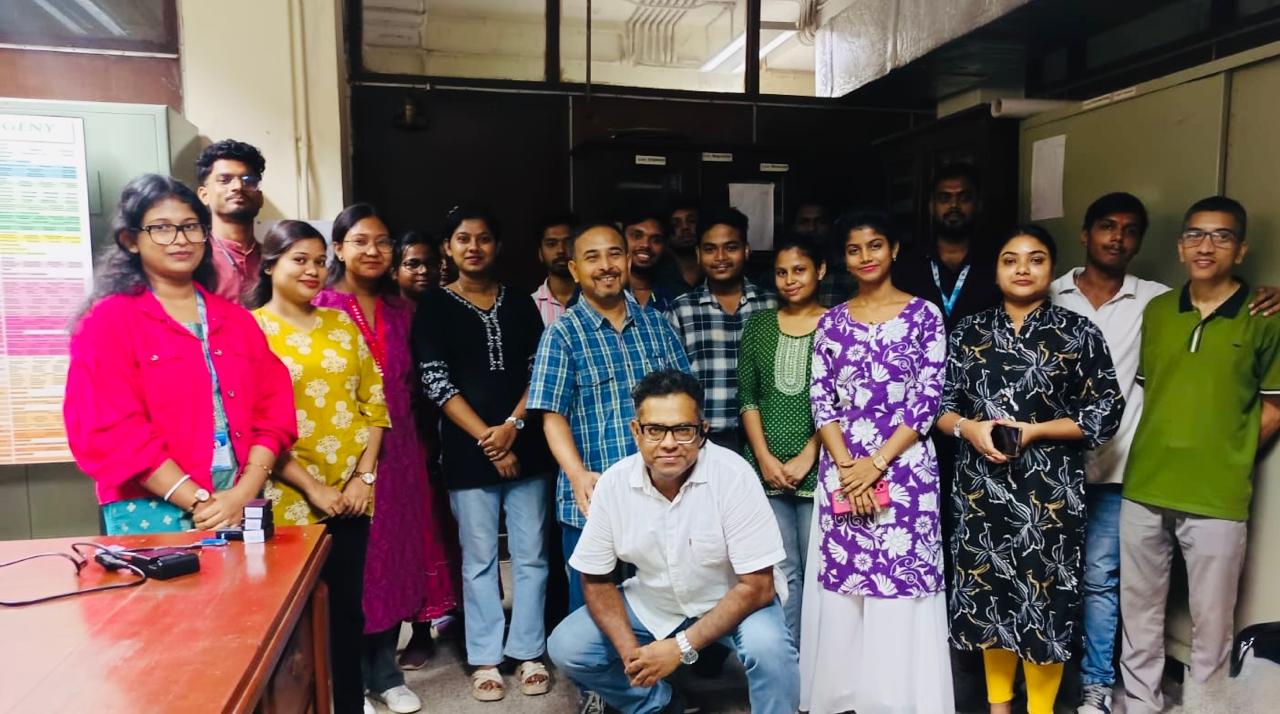
The project location is Botanical Garden Shibpur, Howrah. West Bengal.

05. What is the impact?

The impact of the Herbarium Project is significant for science, conservation, education, and the preservation of India’s natural heritage.

🌿 Scientific Impact
Provides researchers with easy access to millions of plant specimen records.
Supports plant taxonomy, species identification, and biodiversity studies.
Enables comparison of historical and current plant distributions.
Facilitates national and international research collaborations.
🌍 Conservation Impact
Helps identify rare, endangered, and threatened plant species.
Supports conservation planning and environmental impact assessments.
Provides baseline data for monitoring biodiversity and climate change effects.
Assists policymakers in making evidence-based conservation decisions.
📚 Knowledge Preservation
Protects invaluable botanical records from physical deterioration, disasters, or loss.
Preserves specimens collected over decades or even centuries.
Creates a permanent digital archive for future generations.
💻 Digital Transformation Impact
Converts physical collections into searchable digital resources.
Reduces the need to handle fragile specimens.
Improves efficiency in specimen retrieval and data sharing.
Enables remote access by scientists, students, and institutions worldwide.
🎓 Educational Impact
Provides learning resources for universities, schools, and researchers.
Encourages botanical and environmental studies.
Increases public awareness of plant diversity and conservation.
🇮🇳 National Impact
Strengthens the biodiversity documentation efforts of the Botanical Survey of India.
Contributes to India’s digital heritage and scientific infrastructure.
Supports national initiatives related to biodiversity conservation and environmental sustainability.
Long-Term Impact
A successfully digitized herbarium becomes a permanent scientific asset, allowing future generations to study changes in plant diversity, ecosystems, invasive species, and climate impacts using historical records that might otherwise be inaccessible.

Alliances that Drive Success

Partners


Contact Info:

Email : environment@muktiweb.org

Phone : + 91-6290589664

Address

22 Canal Side Road, Barhans, Garia, Kolkata – 700 084

Partners

.