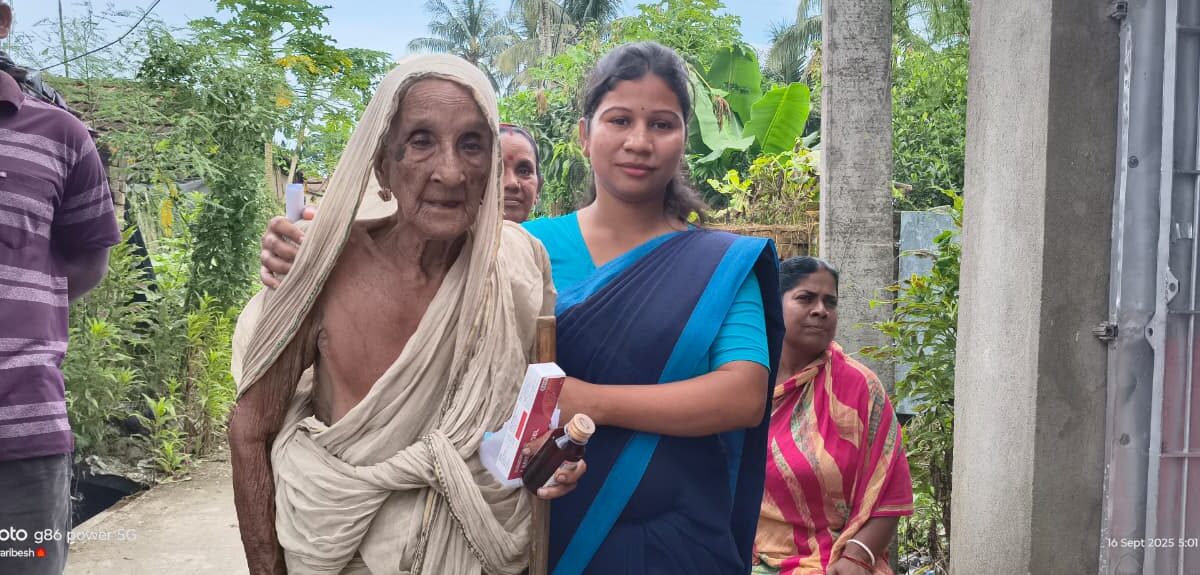
Nourishing the Body, Nurturing the Mind: Understanding the Link Between Women’s Nutrition and Mental Health
When a woman takes care of everyone around her but forgets to nourish herself, the consequences may go beyond physical health. Nutritional deficiencies can silently affect her energy, emotions, concentration and mental well-being.
A woman’s day often begins long before the rest of the household wakes up. From preparing meals and managing household responsibilities to caring for children, supporting elderly family members and meeting professional commitments, her day is filled with responsibilities. In the process of ensuring that everyone is fed and cared for, she often neglects her own nutritional needs. Skipping breakfast, delaying meals or eating whatever is left after serving others gradually becomes a part of her daily routine.
What often goes unnoticed is that inadequate nutrition can affect not only the body but also the mind.
The Hidden Connection Between Nutrition and Mental Health
Nutrition plays an important role in maintaining both physical and mental well-being. Our brain requires a regular supply of essential nutrients to function effectively. Deficiencies of iron, vitamin B12, folate, vitamin D, protein and other micronutrients can affect energy levels, brain function and overall health.
For instance, iron deficiency can lead to anaemia, causing persistent fatigue, weakness, dizziness and difficulty concentrating. Certain vitamin deficiencies may also affect neurological functioning and mood.
Although nutritional deficiencies are not the only cause of mental health problems, they can contribute to or worsen symptoms such as low energy, irritability and emotional distress. Mental health is also influenced by hormonal changes, family circumstances, financial insecurity, social expectations and other physical and psychological factors.
How Does It Reflect in Everyday Life?
Sometimes, the signs of nutritional deficiency and emotional distress are so subtle that women fail to recognise them as health concerns.
A woman may experience:
- Constant tiredness, even after completing routine household activities.
- Irritability, mood fluctuations or getting upset over small issues.
- Difficulty concentrating or remembering things.
- Disturbed sleep and persistent feelings of exhaustion.
- Lack of motivation or interest in activities she once enjoyed.
- Feeling overwhelmed by everyday responsibilities.
Such symptoms should not automatically be dismissed as stress, laziness or emotional weakness. They may indicate an underlying nutritional or health concern that deserves attention and appropriate assessment.
Why Are Women More Vulnerable to Nutritional Deficiencies?
In many households, women tend to prioritise the nutritional needs of their children, husbands and elderly family members over their own. Economic limitations, unequal food distribution and deeply rooted social expectations often influence what women eat and how much they eat.
Different stages of a woman’s life also bring changing nutritional requirements. Menstruation, pregnancy, childbirth and breastfeeding increase the importance of adequate nutrition. Menopause brings further physical and emotional changes that may require additional attention and care.
Combined with domestic responsibilities, work pressure, inadequate rest and limited access to healthcare, these factors can increase women’s vulnerability to nutritional deficiencies and emotional stress.
Small Dietary Changes That Can Make a Difference
Good nutrition does not necessarily mean expensive food. Many affordable, locally available ingredients can contribute significantly to a balanced diet.
- Include Seasonal Vegetables and Fruits
Green leafy vegetables such as spinach, red amaranth and other seasonal greens provide essential vitamins, minerals and fibre. Fruits such as guava, banana, papaya and amla are also valuable additions to daily meals.
- Add Protein to Everyday Meals
Dal, chickpeas, peas, soybeans, eggs, small fish and milk are useful sources of protein. Including affordable protein sources regularly helps maintain strength and supports the body’s normal functioning.
- Pay Attention to Iron Intake
Iron-rich foods such as lentils, leafy vegetables, chickpeas and fish can help meet the body’s iron requirements. Combining plant-based iron sources with vitamin C-rich foods such as lemon, guava and amla improves iron absorption.
- Avoid Skipping Meals
Eating regular, balanced meals helps maintain energy throughout the day. A combination of cereals, pulses, vegetables, fruits and appropriate protein sources can make everyday meals more nutritious.
- Prioritise Hydration and Rest
Drinking adequate water, getting sufficient sleep and allowing time for rest are equally important for physical and emotional well-being.
However, food alone cannot treat depression, anxiety or other mental health conditions. Persistent symptoms require appropriate medical assessment and, where necessary, professional mental health support.
Self-Care Is Not a Luxury; It Is a Right
A woman who takes care of her own health is not being selfish. She is recognising her right to live a healthy, dignified and fulfilling life.
Families must encourage equal food distribution and ensure that women receive adequate nutrition rather than treating their needs as secondary. Women should also feel empowered to seek medical advice, undergo nutritional assessments and discuss emotional difficulties without fear of judgement.
Persistent sadness, anxiety, sleep disturbances or loss of interest in everyday activities should never be ignored. Access to healthcare, nutritional counselling and mental health support must become an integral part of community health services.
A Healthier Woman, A Healthier Family, A Stronger Society
Women’s health conversations must go beyond motherhood, childcare and reproductive health. A woman’s nutritional needs, emotional well-being, self-respect and quality of life deserve equal attention.
The woman who prepares meals for the entire family deserves a nutritious meal herself. The woman who cares for everyone deserves care in return.
Recognising the relationship between nutrition and mental health is an important step towards building healthier families and more empowered communities.
Let us make women’s nutrition a family priority and their mental well-being a collective responsibility.
Because every woman deserves more than the strength to care for others—she deserves the nourishment, dignity and well-being to care for herself.
By – Sonamon Basu
Programme Lead, Health
Project Activities
- A village for independent and enterprising women (A VIEW) (5)
- About Mukti (11)
- Accreditation (14)
- AGM (63)
- Agriculture Reforms (133)
- Ambulance Service (2)
- Amplifying Community Voices (79)
- Awards (18)
- Awareness and Empowerment (141)
- Awareness drives (64)
- Bio-Village-Kankandighi (10)
- Careers (10)
- Chick Rearing Programme for Marginalised Women (17)
- CHILD (25)
- Climate Resilience River Embankment (47)
- Covid-19 (74)
- Cultural Shows (7)
- Cyclone Aila (13)
- Cyclone Amphan (44)
- Cyclone Bulbul (30)
- Cyclone Dana (3)
- Cyclone Remal (12)
- Cyclone Response & Recovery (90)
- Cyclone Tolerant Houses (15)
- Cyclone Yaas (57)
- Daily Activities USA (25)
- Disaster Recovery (266)
- Editorial (75)
- Editorial by Abir Biswas (1)
- Editorial by Amit Kumar Dey (4)
- Editorial by Ananya Chatterjee (3)
- Editorial by Ankita Kothiyal (6)
- Editorial by Chandrachur Chatterjee (1)
- Editorial by Debabrata Halder (2)
- Editorial by Dr. Alokananda Ghosh Sengupta (2)
- Editorial by Kasturi Bakshi (1)
- Editorial by Monami Mitra (1)
- Editorial by Nandita (4)
- Editorial by Pampa Karmakar (1)
- Editorial by Paramita Panja (1)
- Editorial by Pranay Patra (1)
- Editorial by Prof. Pradeep Ray (1)
- Editorial by Ranitendranath Tagore (2)
- Editorial by Sankar Halder (16)
- Editorial by Satyajit Ray (11)
- Editorial by Sohini Mehta (1)
- Editorial by Sonamon Basu (4)
- Editorial by Soumitra Bose (4)
- Editorial by Subhankar Basu (1)
- Editorial by Supriya Sarkar (1)
- Editorial by Supriyo Banerjee (4)
- Editorial by Ujjwal Maity (2)
- Education and Enrichment (479)
- Environment and Resilience (133)
- Featured Activities (33)
- Gram Clinic (9)
- Health Water & Sanitation (104)
- HOPE (10)
- Impact Stories List (109)
- Integrated Development (247)
- International Management Institute (IMI) (2)
- Jal hi Kal (6)
- KF Mukti Clinic (3)
- Kitchen Gardening (16)
- Livelihood & Enablement (245)
- MCDF (122)
- Medical Camp (48)
- MIT (8)
- MKSS (66)
- MSS (163)
- Mukti (1)
- Mukti Academia (5)
- Mukti Academy (2)
- Mukti BSI Digital Herberium (1)
- Mukti Craft (18)
- Mukti Cultural (2)
- Mukti Employment Exchange (MEE) (29)
- Mukti Fresh (16)
- Mukti Gram - Egra (12)
- Mukti Gram - Purbashridharpur (171)
- Mukti Green Defense in Sundarbans (12)
- Mukti Switzerland (1)
- Mukti URBAN (19)
- Mukti USA (2)
- Mukti Yoga (12)
- Mukto Dhara (2)
- Navya (3)
- NIRMAN (5)
- Northumbria University (2)
- Obituary (6)
- Observance Days Celebration (54)
- Organic Farming & Training Support (52)
- Pond Rejuvenation (21)
- Prerana (5)
- Projects For Mukti Wide (8)
- Queen Mary University of London (1)
- Rights and Special Needs (137)
- Run for Cause (19)
- Run4SafeFood (14)
- SDF (6)
- Shahoshini (17)
- Skill & Enterprise Development (21)
- Smart lab (5)
- Social Stock Exchange (2)
- Social Workers' Convention (1)
- Sundarbans Green (SUN-G) (15)
- Sunderban development fair project (4)
- Suraksha Songlap (4)
- Surya (31)
- Sustainable Agriculture Movement (71)
- SWAS-2-0 (24)
- Swastha Shongini (33)
- Swavalamban Accelerator in Sundarbans (SWAS) (23)
- Tour for Cause (52)
- TSS (223)
- UDAAN (9)
- Uncategorized (109)
- Unforeseen Disaster (1)
- Unforeseen Disaster (1)
- University of Calcutta (2)
- Value Education (13)
- Valued Partners (3)
- Vocational Trainings (15)
- VOICE (16)
- Voice Sunderban (3)