Highlighting the Top Stories

Feature News

01. Why the project is?
    Children, adolescents, youth, and women living in urban deprived communities face multiple barriers that limit their opportunities for education, protection, health, employability, and social inclusion. Baseline assessments and community consultations have highlighted several persistent challenges, including:
  • Learning gaps and poor academic performance among children.
  • School dropout and limited access to quality educational support.
  • Youth unemployment and lack of market-relevant skills.
  • Limited opportunities for women’s economic empowerment.
  • Child protection risks, including abuse, neglect, child labor, trafficking, early marriage, and online safety concerns.
  • Poor awareness of adolescent health, digital safety, financial literacy, and emotional well-being.
  • Limited access to government welfare schemes and essential services.
  • Weak community-level mechanisms for child protection and safeguarding.
    To address these interconnected challenges, MUKTI implements integrated, community-based, and sustainable programs that strengthen children’s development, enhance youth employability, empower women, and foster collaboration with government systems and local institutions.
02. What the project is?
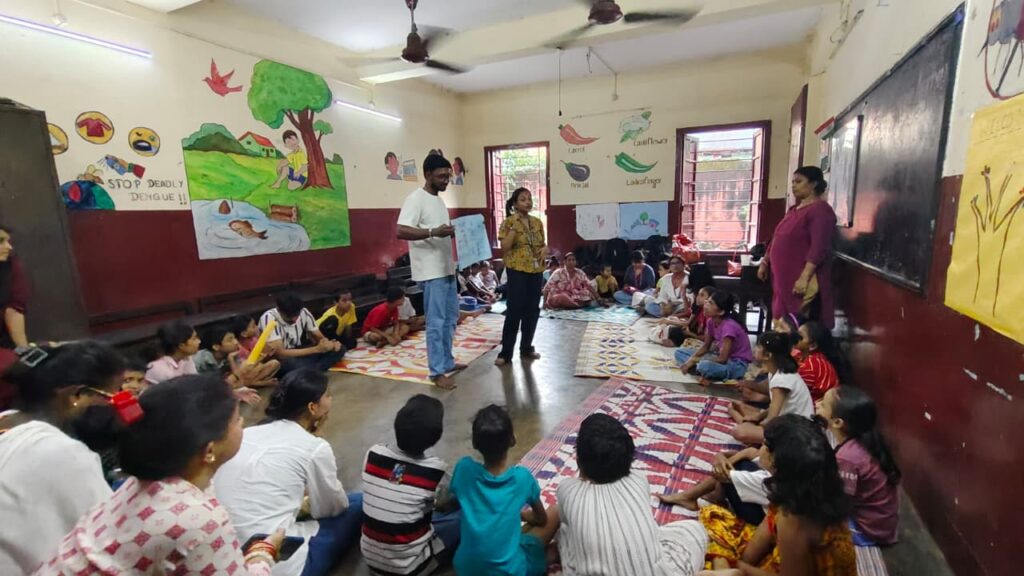
    A. Academic & Educational Support Programs
  • MUKTI Kisholoy Support School (MKSS): Provides basic education for children requiring primary-level foundational learning
  • MUKTI Support School (MSS): Offers supplementary academic support to bridge learning gaps, promote formal education, and reduce school dropouts among slow learners.
  • Talented Student Scholarship Program: Supports youth aged 19+ who are pursuing higher education and professional careers.

    B. Women’s Livelihood and Economic Empowerment Program
    Enhances economic opportunities and self-reliance for women through:
  • Tailoring and garment-making training.
  • Entrepreneurship orientation and financial literacy.
  • Market linkage support and income-generation opportunities.

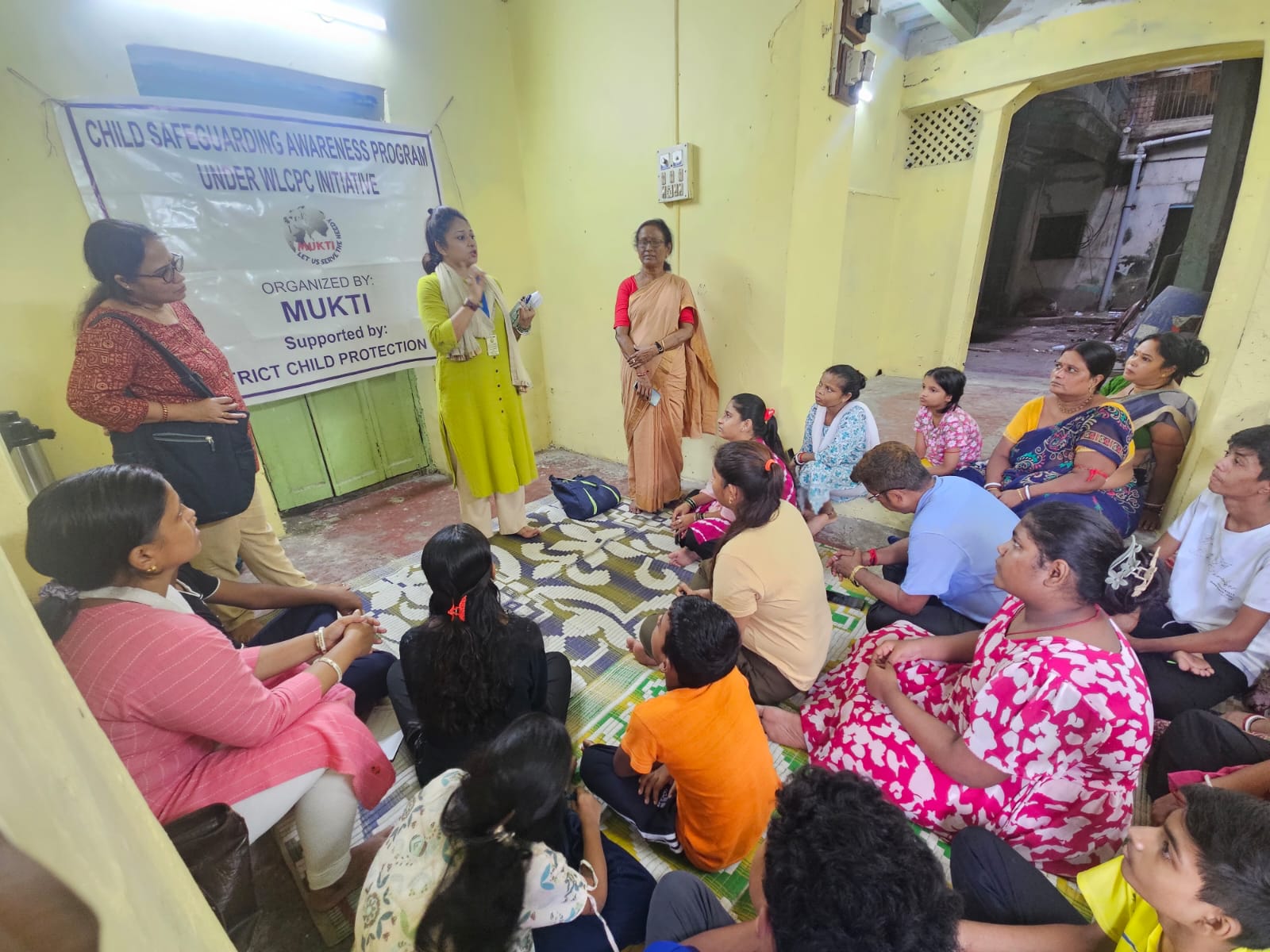
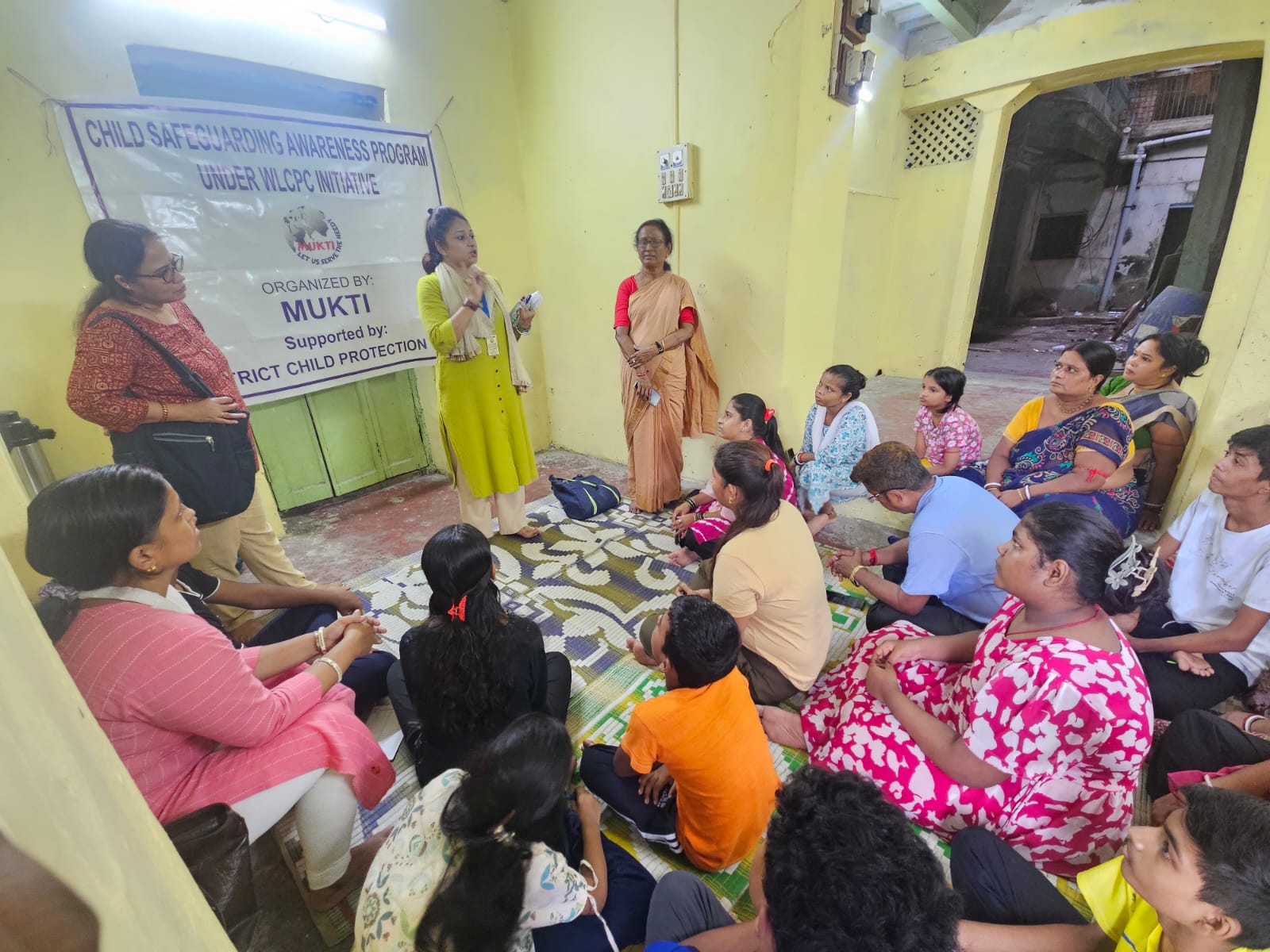
    C. Child Protection and Safeguarding Program
    Creates safer environments for children through:
  • Child rights and protection awareness campaigns.
  • Case identification, management, and referral support.
  • Strengthening Ward Level Child Protection Committees (WLCPCs).
  • Prevention of violence, abuse, neglect, trafficking, child labor, and early marriage.
  • Beneficiaries: Children, adolescents, parents, caregivers, and community stakeholders.

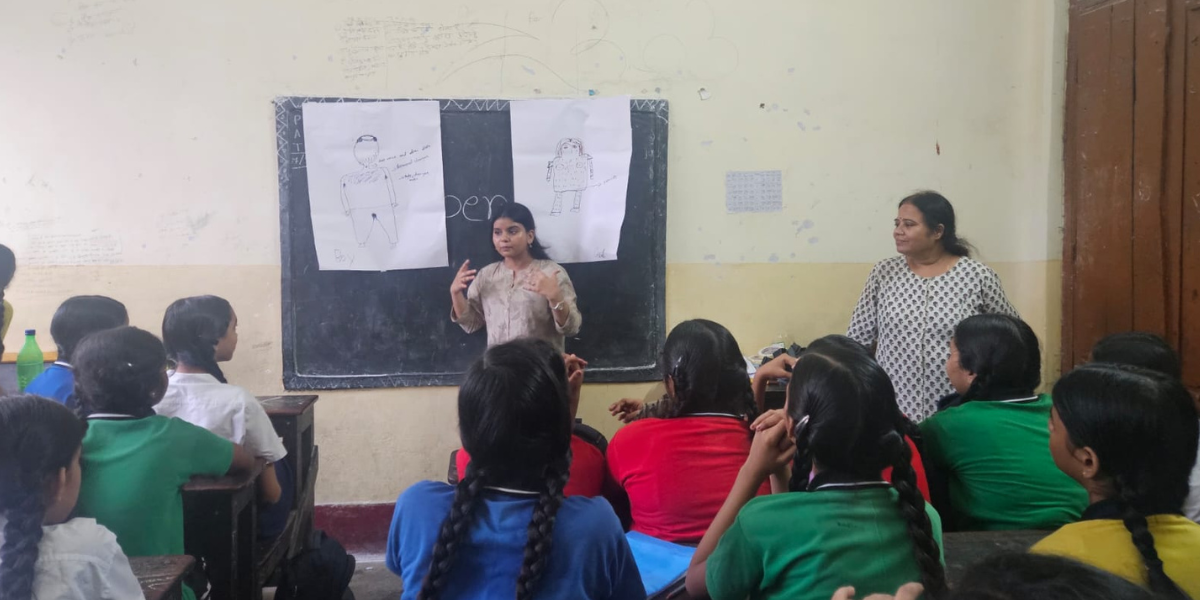
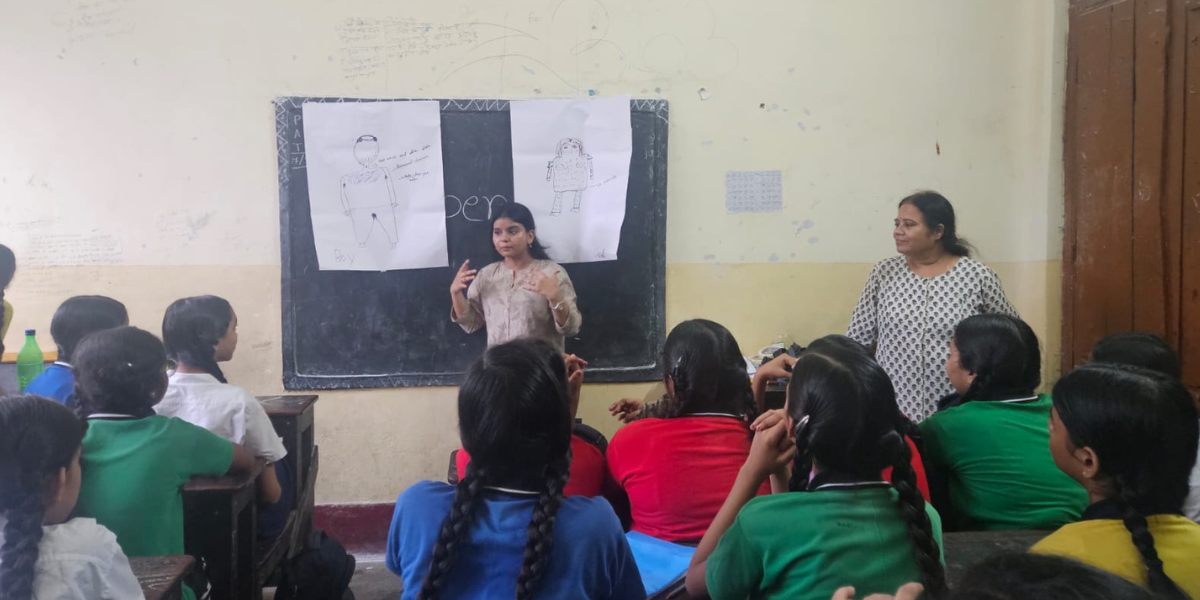
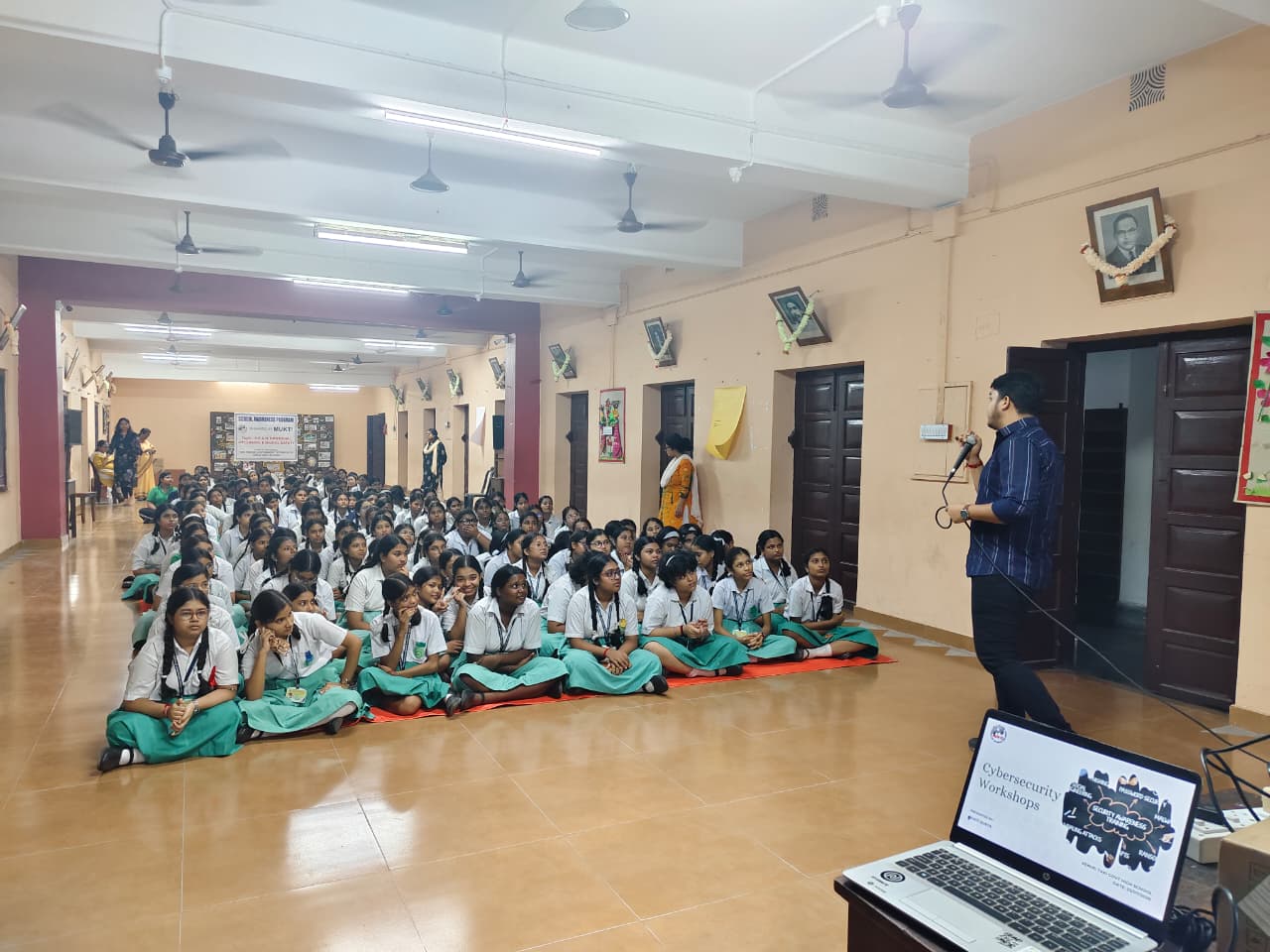
    D. School and Community Awareness Program
    Promotes informed decision-making and healthy behaviors through awareness sessions on:
  • Adolescent Reproductive and Sexual Health (ARSH).
  • Digital safety and responsible technology use.
  • Financial literacy and emotional well-being/mental health.
  • Gender equality, child rights, safeguarding, health, and hygiene.
  • Beneficiaries: School-going children, adolescents, parents, and community members.

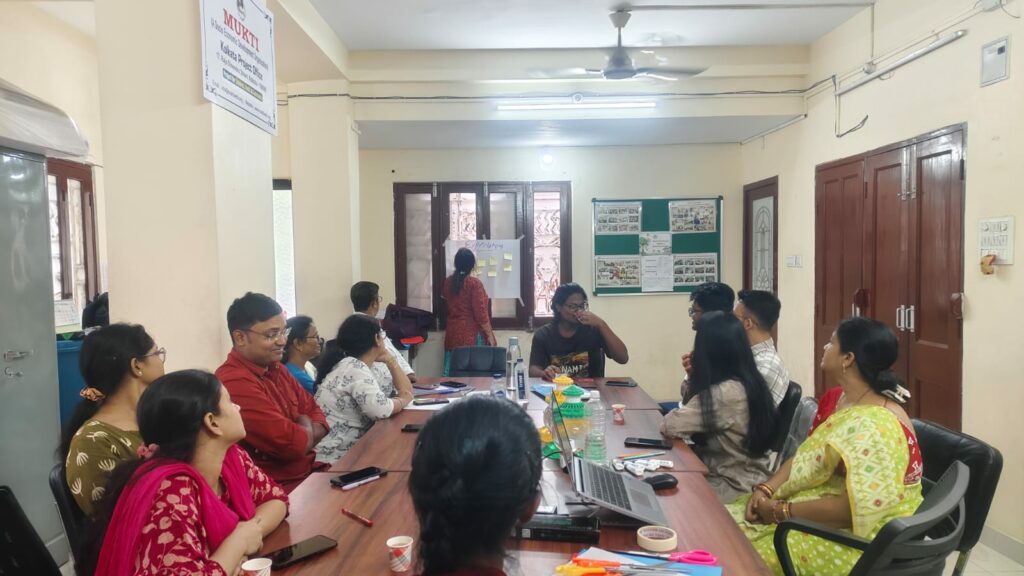
    E. Teacher Capacity Building Program
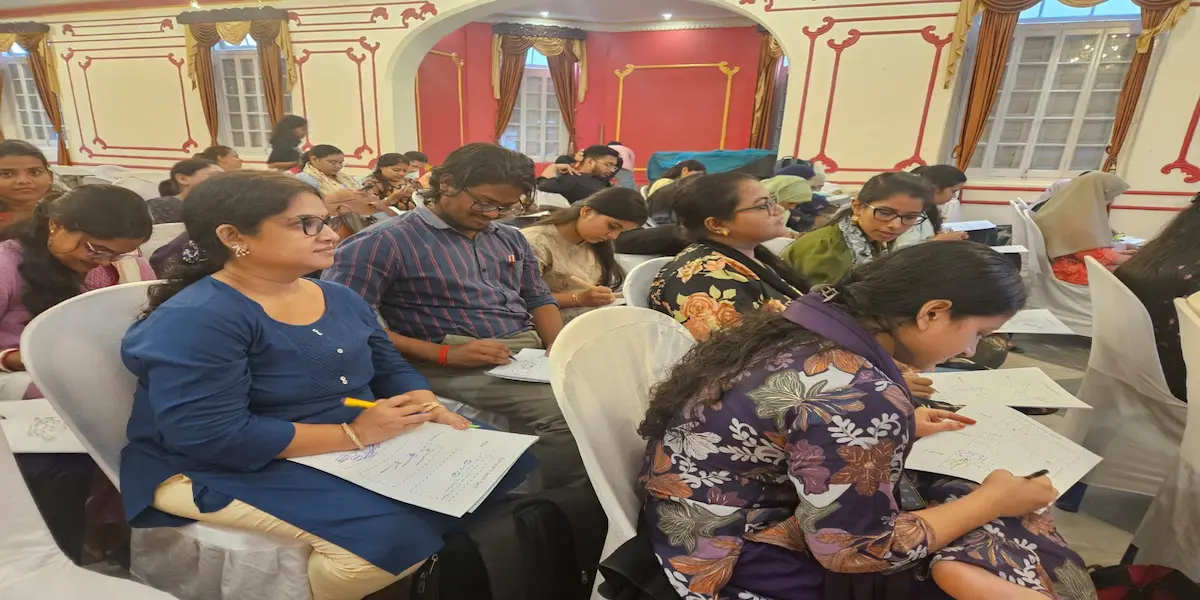
    Strengthens the capacity of teachers and school stakeholders through training in:
  • Child protection, safeguarding practices, and emotional well-being.
  • Puberty and Adolescent Reproductive and Sexual Health (ARSH).
  • Referral pathways for vulnerable and at-risk children.
  • Beneficiaries: Teachers and education stakeholders from government and community schools.

    F. Government Systems Strengthening and Service Linkage Program
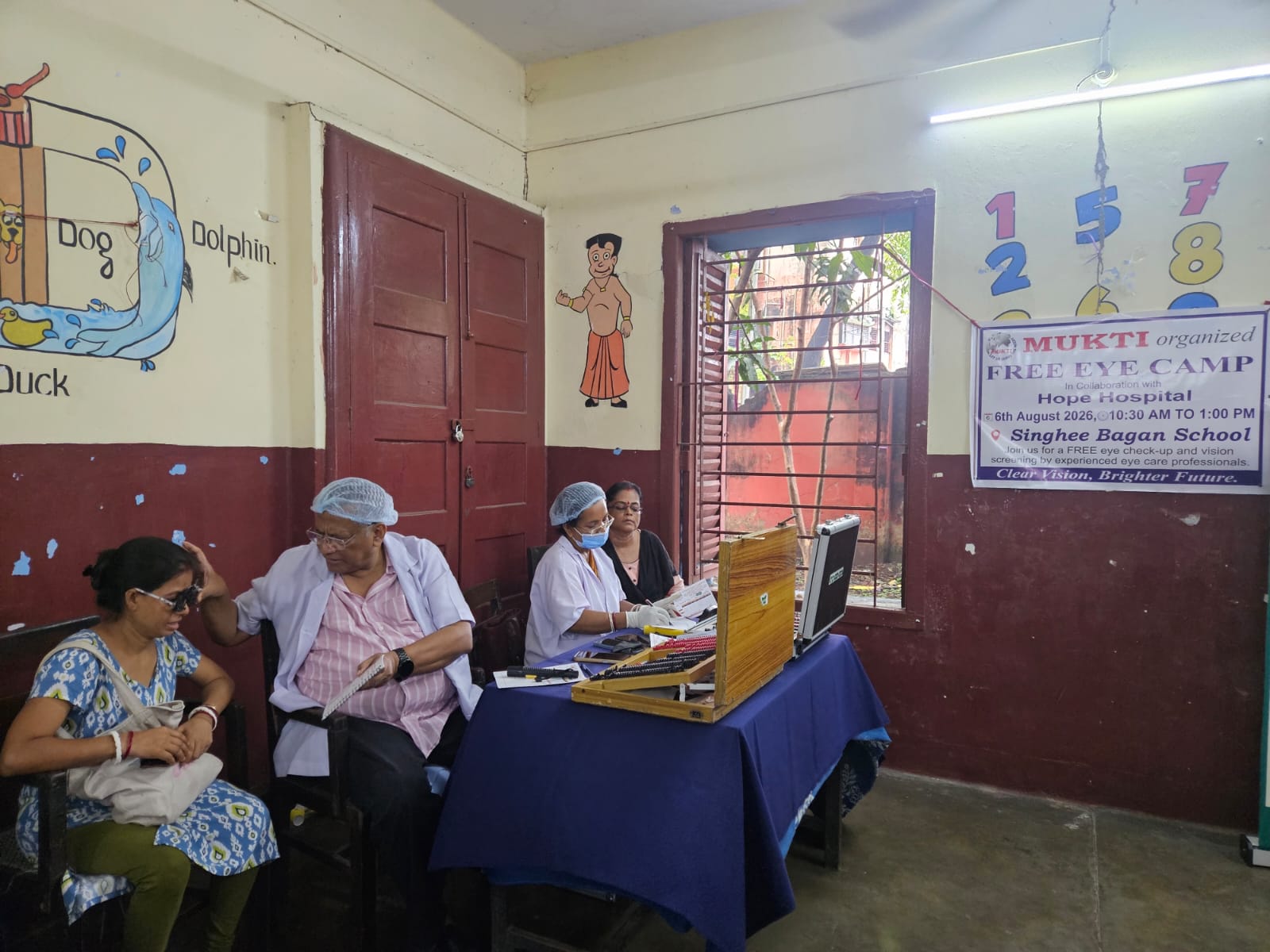
    Bridges the gap between vulnerable families and available public welfare programs by collaborating with:
  • Education Department & Integrated Child Development Services (ICDS) Centres.
  • Urban Health Facilities & Local Police Stations.
  • Child Protection Systems.
  • Beneficiaries: Children, youth, women, and families requiring access to public services and entitlements.
03. How the project is?
  • Family and Community Engagement: Working closely with parents, caregivers, community leaders, and local institutions to create supportive ecosystems.
  • Women’s Empowerment: Promoting women’s participation, leadership, skills development, and economic independence.
  • Systems Strengthening: Collaborating with government departments and statutory bodies to improve service accessibility, responsiveness, and institutional accountability.
  • Prevention and Protection: Focusing on the mitigation of risks through community action, early identification, and robust referral mechanisms.
  • Skills and Employability: Equipping youth and women with practical, market-aligned skills that improve economic resilience.
  • Sustainability and Local Ownership: Building community capacity and strengthening local structures (like WLCPCs) to ensure long-term impact beyond project lifecycles.
04. Where the project is?
    The program is implemented in the underserved slum communities of the Jorasanko Constituency, Kolkata North

  • Coverage Area: Wards 25, 26, 27, and 37 to 43.
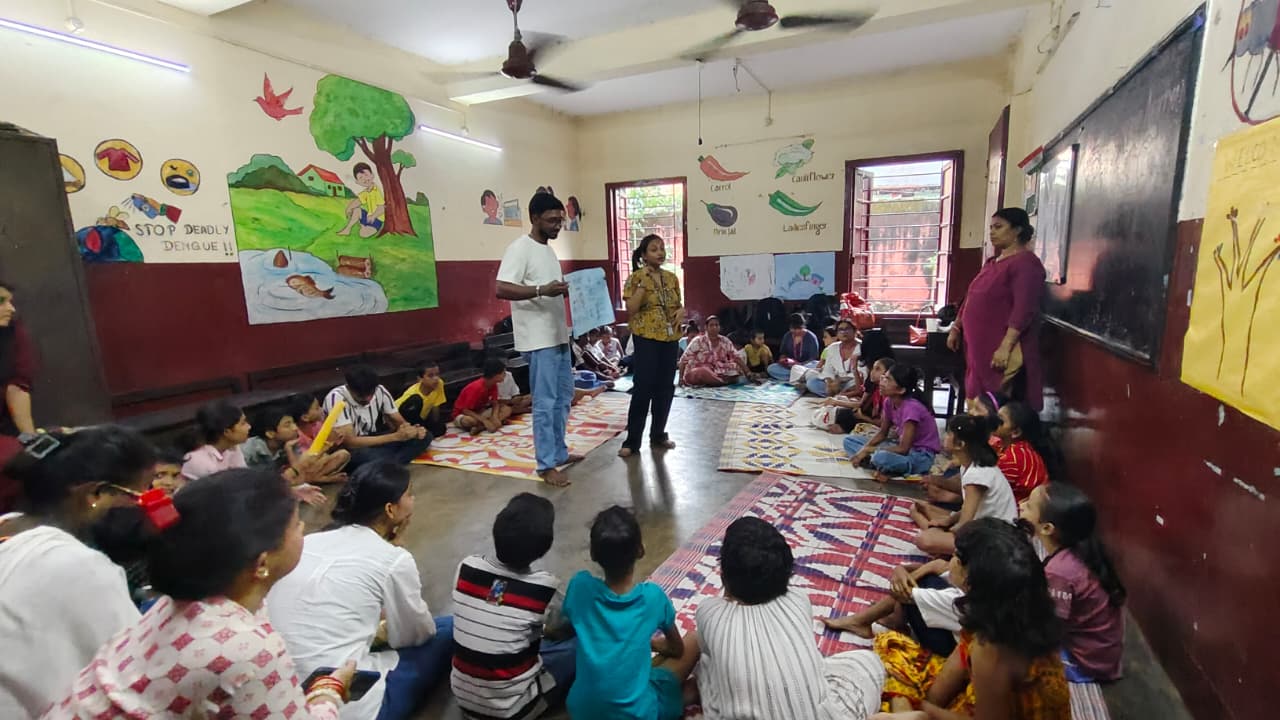
  • MKSS Classes: Conducted through local schools and community clubs to ensure easy accessibility for adolescents.
  • MSS Classes: Operated through community-based learning centers and clubs within the target wards.
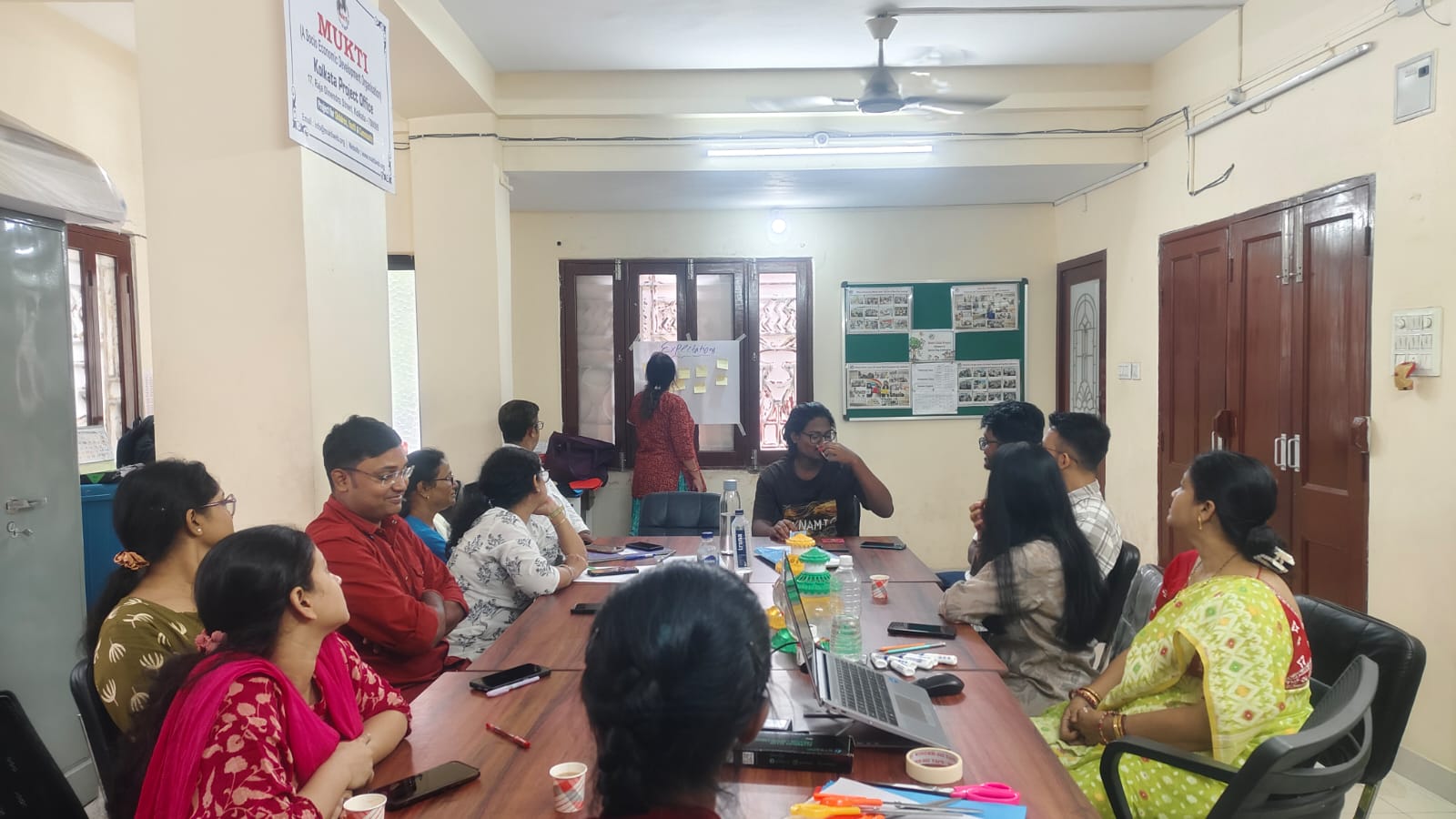
  • Skill Development Training: Conducted through specialized MUKTI project facilities serving women and youth from the intervention areas.

237
Total Direct Participants
94
MKSS Students
6
MKSS Batch
44
MSS Students
3
MSS Batch
41
Tailoring Class Students
38
Computer Cass Students
20
Spoken English Cass Students
14
Total Batches
11
Total Teachers & Trainers

Activity Stream

01.

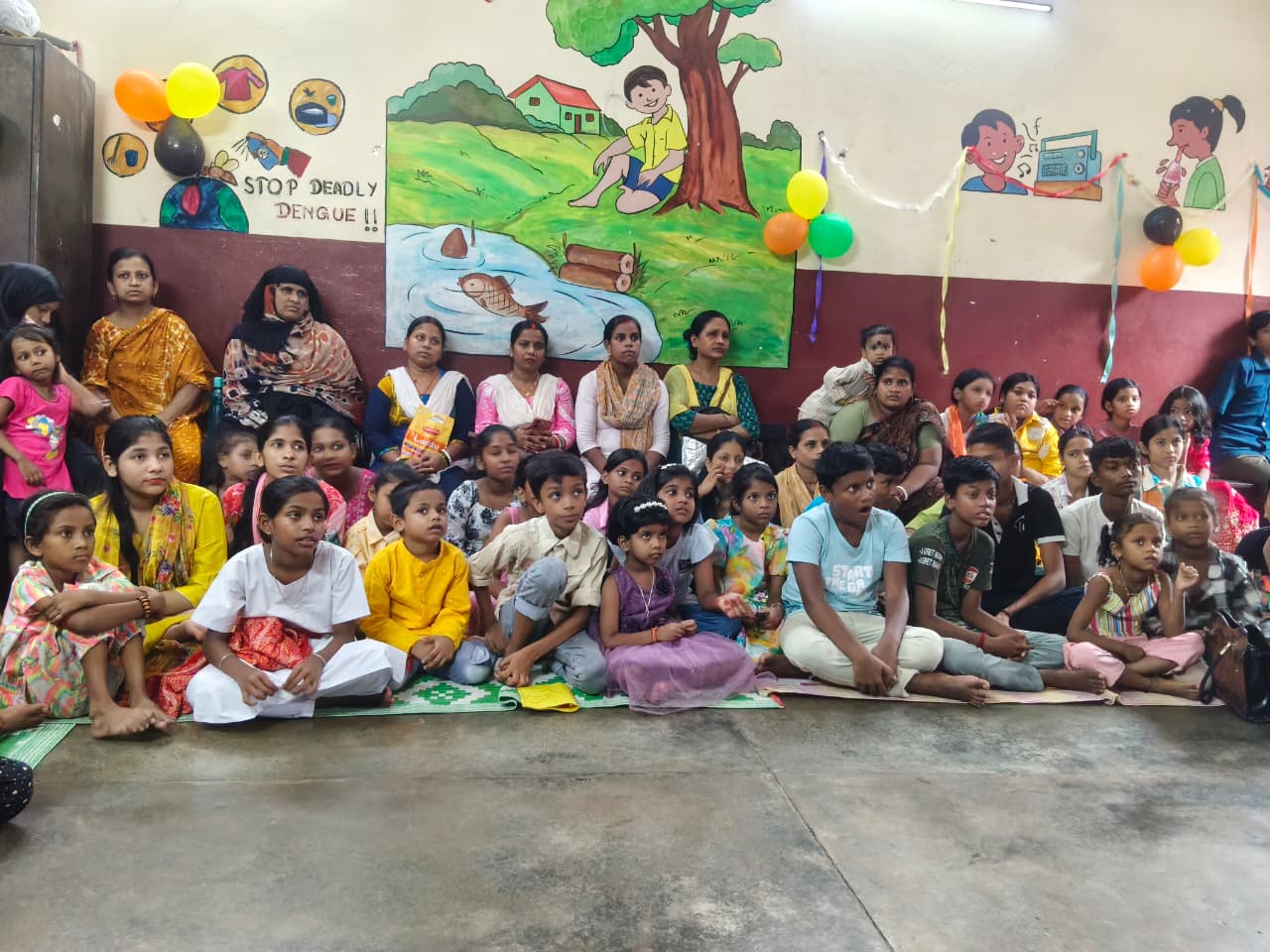
Mukti Urban Project is celebrating World Environment Day

View More
Alliances that Drive Success

Partners


Contact Info:

Email : integrated.development@muktiweb.org

Phone : + 91-6290589664

Address

22 Canal Side Road, Barhans, Garia, Kolkata – 700 084

Partners

.