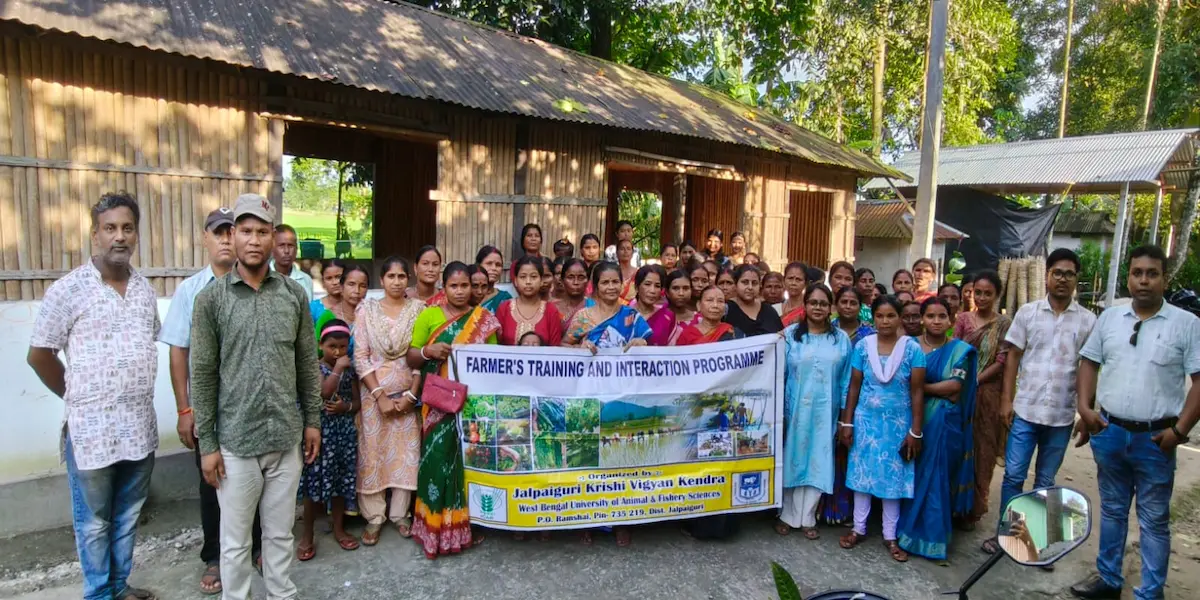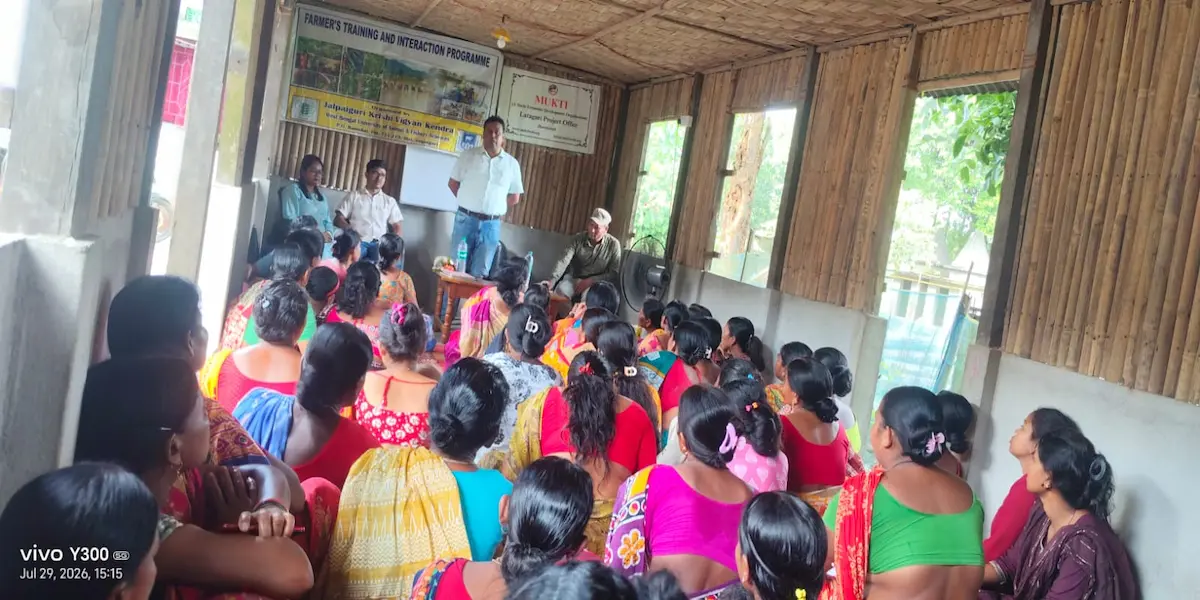
Highlighting the Top Stories

Feature News

01. Why the project is?
  • Kranti Block, Jalpaiguri faces persistent socio-economic challenges, including poverty, unemployment, and declining livelihood opportunities.
  • Women, particularly those from SC/ST communities, suffer from chronic underemployment, landlessness, and limited access to sustainable income sources.
  • Mechanization in tea estates has reduced demand for manual labor, leaving many rural women without stable livelihoods.
  • Urban encroachment, soil degradation, and climate-related changes have further weakened traditional livelihood systems.
  • Women have limited access to formal credit, markets, training, and institutional support, restricting their economic empowerment.
  • Women-headed households, caregivers of persons with disabilities, and socially marginalized groups are among the most vulnerable sections of the community.
  • Rising costs of agricultural inputs have made conventional farming increasingly unaffordable for poor households.
  • There is a need for low-investment and sustainable livelihood options such as backyard poultry, homestead horticulture, and organic practices.
  • Financial literacy and digital banking awareness among rural women remain inadequate, limiting their access to government schemes and financial services.
  • Educational opportunities for children are affected by poverty, inadequate infrastructure, shortage of trained teachers, and lack of educational resources.
  • The project is needed to strengthen women-led Self-Help Groups (SHGs), improve household nutrition and food security, enhance financial inclusion, and ensure access to quality education for children.
02. What the project is?

NIRMAN (Nutrition Integrated Rural Management for Agriculture & Nurturing) is a community-led rural development project implemented in Kranti Block, Jalpaiguri.

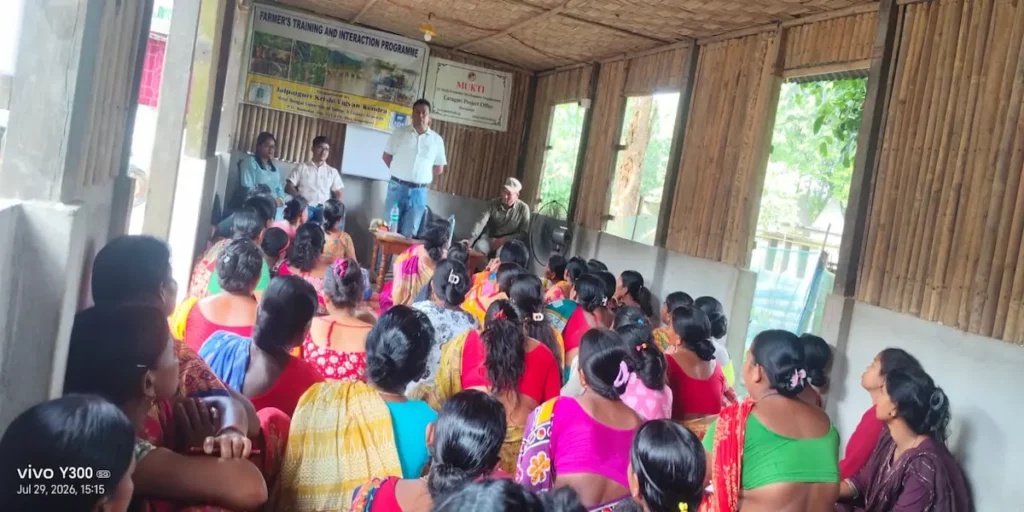
  • The project aims to empower 500 marginalized women through sustainable livelihoods, nutrition enhancement, financial literacy, and education support.
  • It promotes the formation and strengthening of 50 Self-Help Groups (SHGs) as platforms for collective action and economic empowerment.
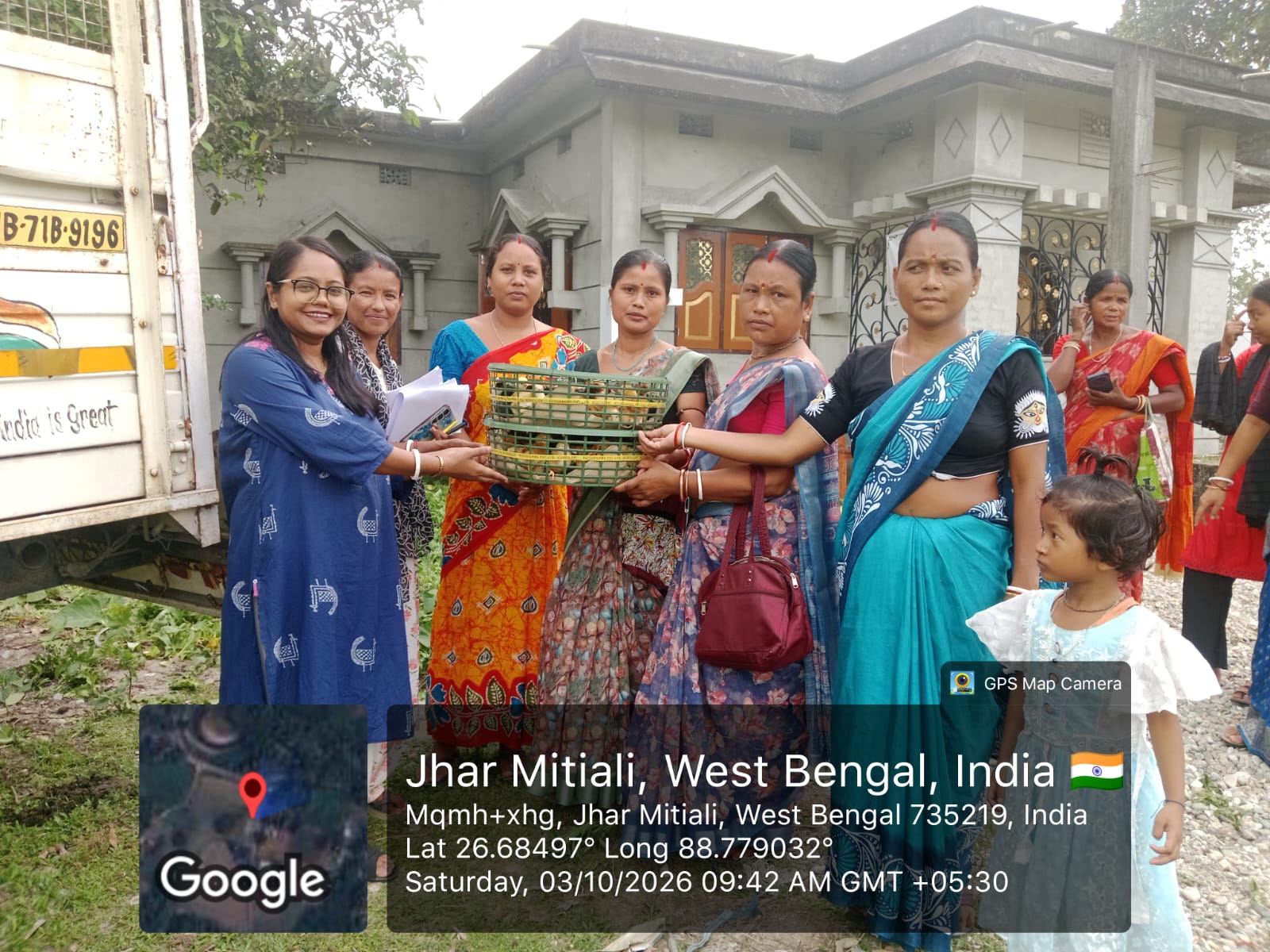
  • The project supports backyard poultry, homestead horticulture, and other low-cost livelihood activities to improve household income and food security.
  • It provides financial literacy and entrepreneurship training to enhance women’s access to savings, credit, and government schemes.
  • NIRMAN establishes community-based Support Schools to improve access to quality education for children from beneficiary families.
  • The project follows a sustainable, community-owned approach aligned with SDGs to improve economic resilience, nutrition, gender equity, and educational outcomes.
03. How the project is?
    Identification and inclusion of 500 marginalized women from vulnerable households using participatory community processes.

  • Formation and strengthening of 50 Self-Help Groups (SHGs) to promote collective action, leadership, and mutual support.
  • Promotion of sustainable livelihood activities such as backyard poultry and homestead horticulture to enhance household income and food security.
  • Capacity-building initiatives focused on livelihood management, entrepreneurship, and climate-resilient practices.
  • Provision of livelihood inputs, technical guidance, and continuous handholding support to beneficiaries.
  • Monthly nutritional assistance to vulnerable households during the livelihood development phase.
  • Financial literacy and digital banking awareness programmes to strengthen financial inclusion and economic independence.
  • Establishment of community-based Support Schools to improve educational outcomes, child well-being, and holistic development.
  • Encouragement of women’s leadership, participation in decision-making, and engagement in community development.
  • Adoption of a community-owned and sustainable model aligned with long-term resilience and SDG goals.
04. Where the project is?

Project Location: Kranti Block, Jalpaiguri District, West Bengal, covering selected rural communities and 500 marginalized women-led households through SHGs, Support Schools, horticultural activity and supporting nutrition.

05. What the impact is ?
  • Increased income and livelihood security among 500 marginalized women and their families.
  • Improved household nutrition, food security, and overall family well-being.
  • Strengthened Self-Help Groups (SHGs) promoting women’s leadership, financial inclusion, and community participation.
  • Enhanced access to quality education for children through community-based Support Schools.
  • Improved learning outcomes, school retention, and educational aspirations among children from vulnerable households.
  • Promotion of children’s holistic development, including cognitive, social, emotional, and life-skill development.
  • Creation of a safe, supportive, and nurturing environment that contributes to children’s overall well-being.
  • Increased resilience and long-term socio-economic development of vulnerable families and communities.

Activity Stream

01.

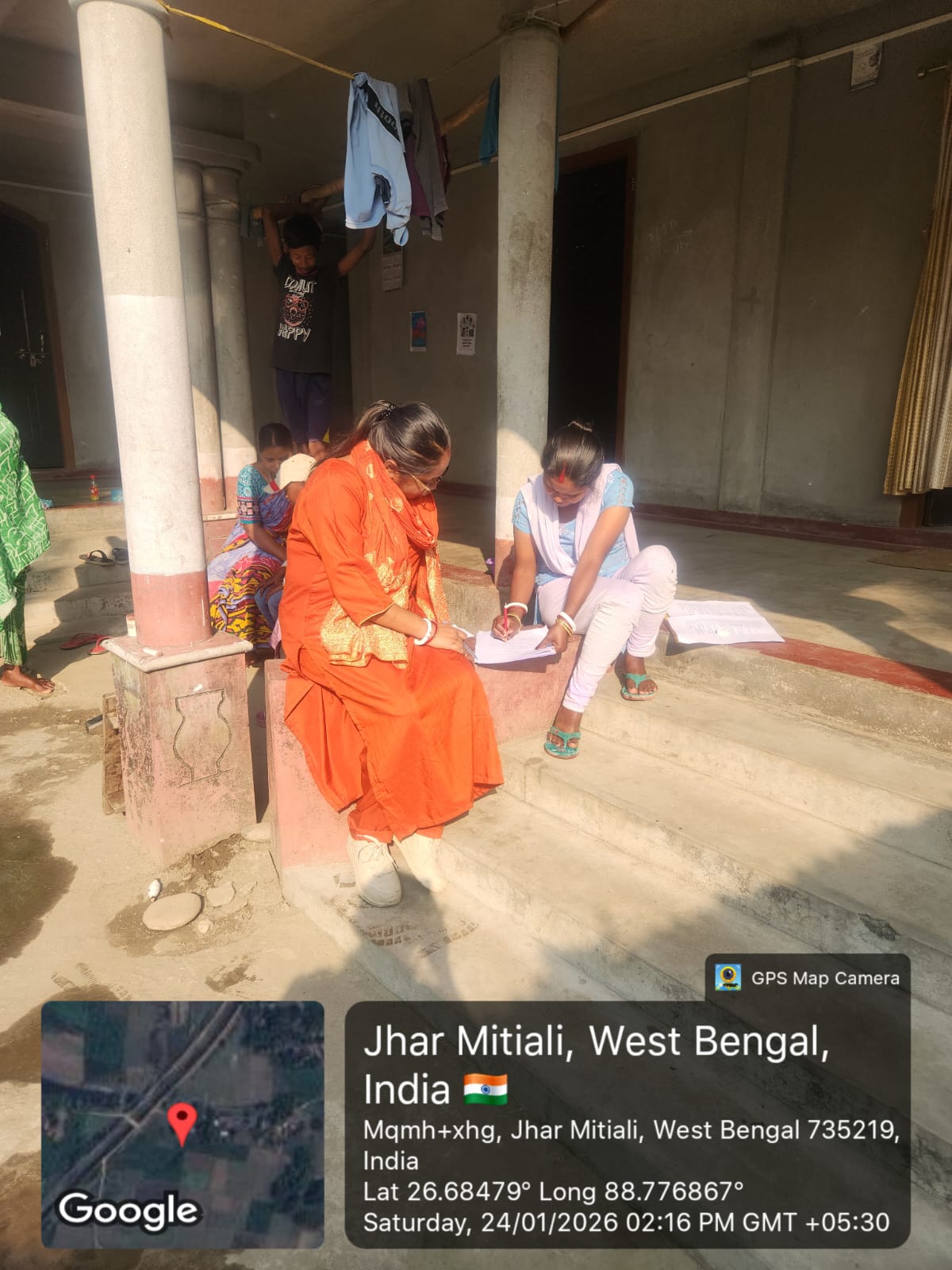
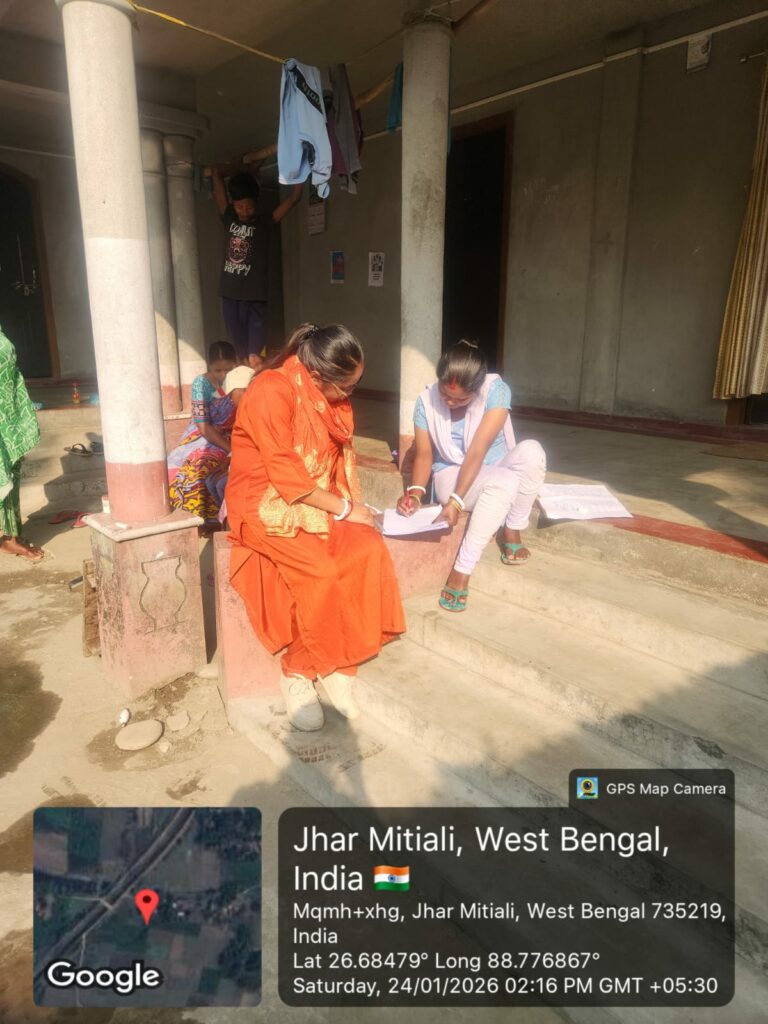
Project NIRMAN: MUKTI Initiates Household-Level Need Assessment in Lataguri

02.

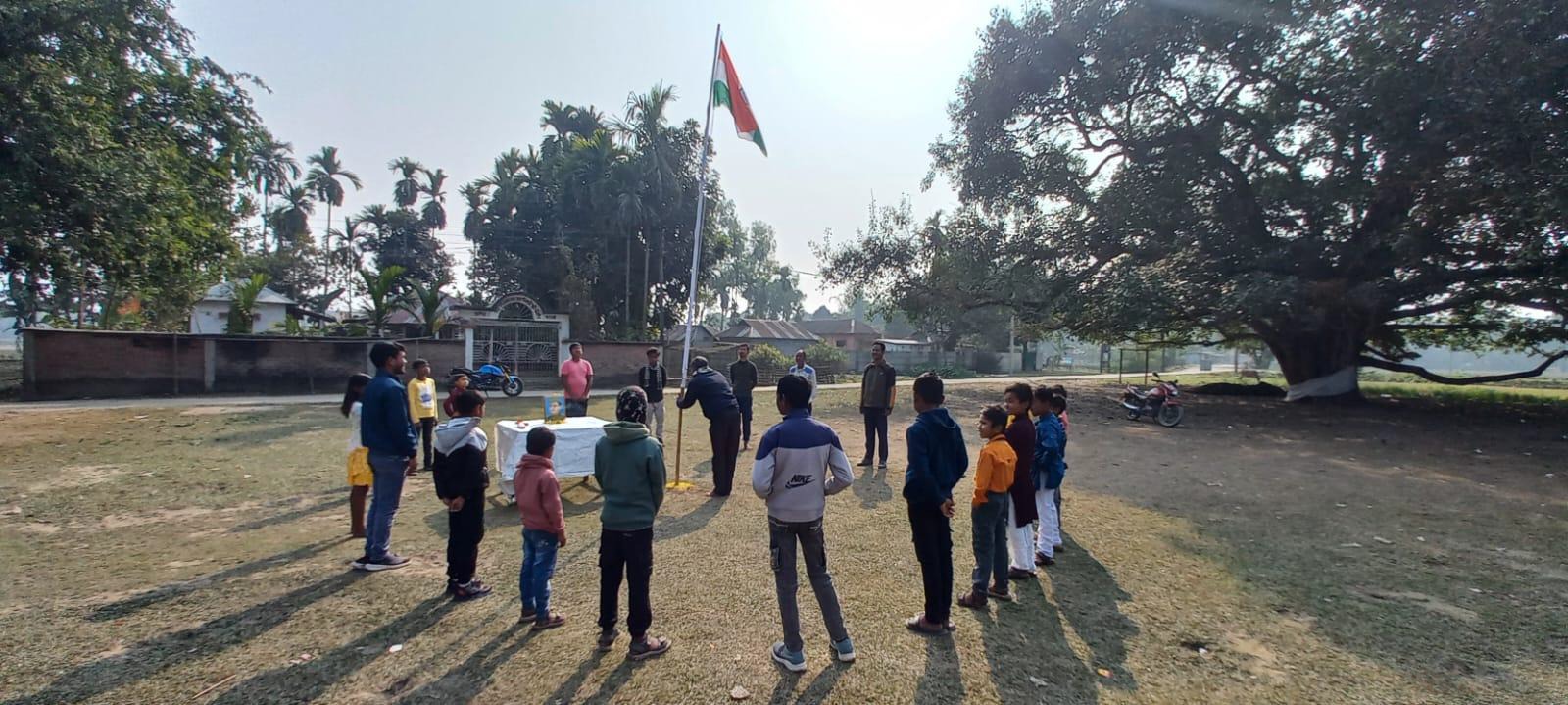
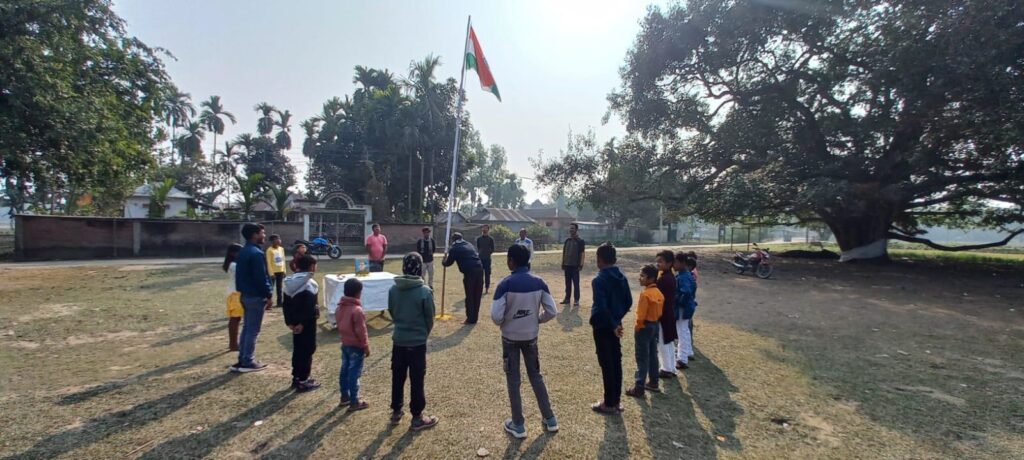
Commemoration of Netaji Subhas Chandra Bose Jayanti

View More
Alliances that Drive Success

Partners

Contact Info:

Email : integrated.development@muktiweb.org

Phone : + 91-6290589664

Address

22 Canal Side Road, Barhans, Garia, Kolkata – 700 084

Partners

.