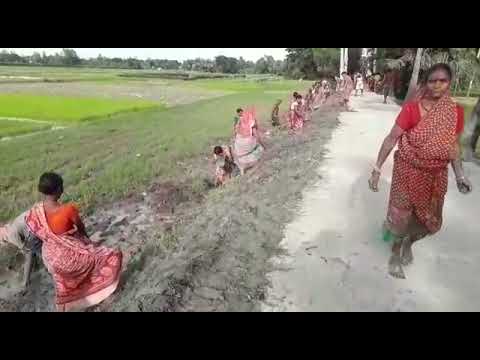

● Mukti Gram – Purbashridharpur
● Mukti Gram – Egra Sahara
● Mukti Gram – Bio Village Kankandighi
Feature News
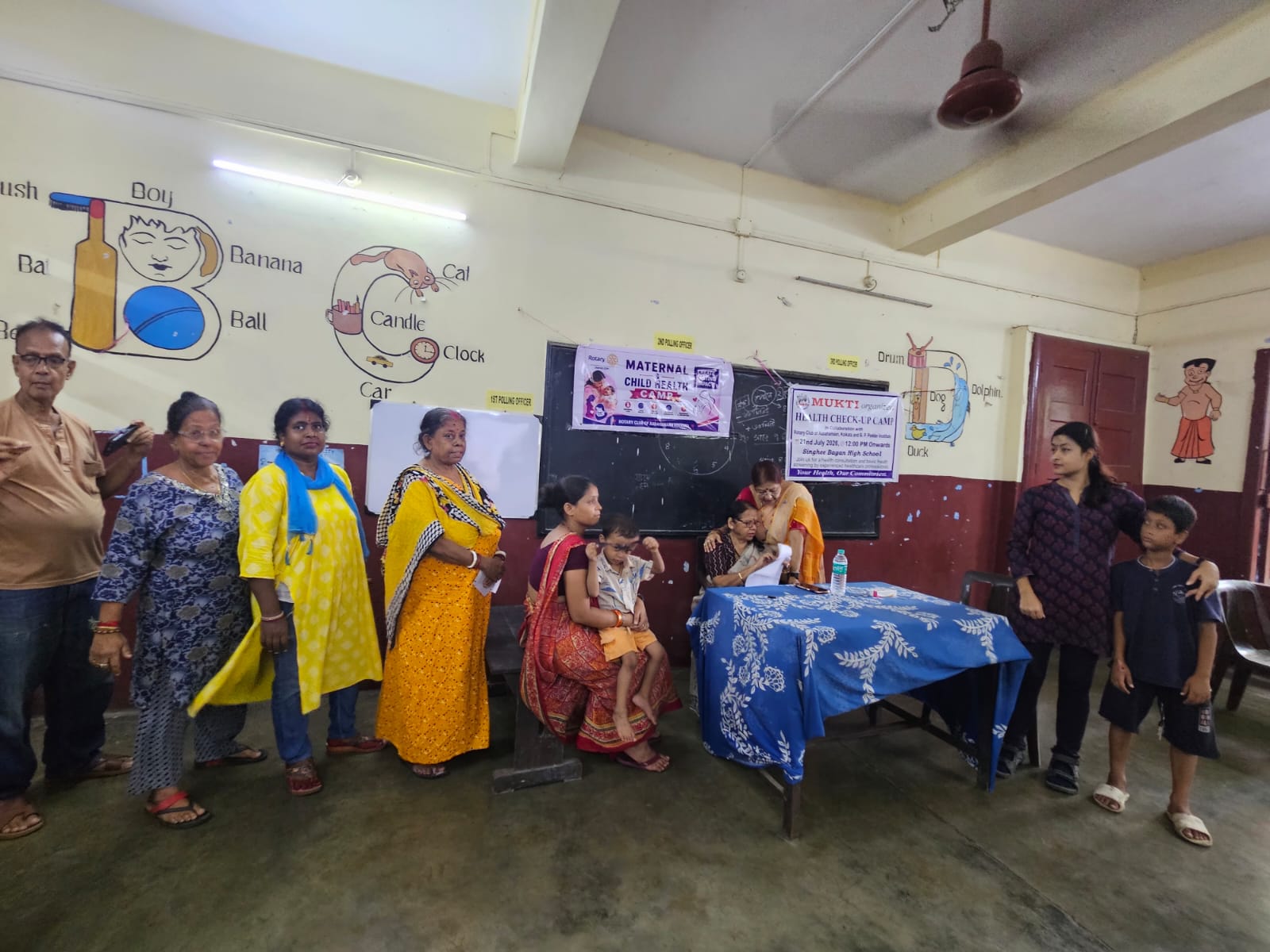
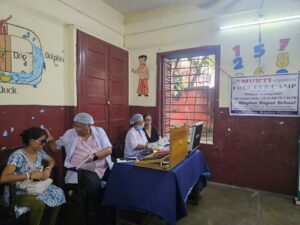
Mukti Urban Project Organizes Free Eye Camp, Benefiting Over 200 Community Members
On 6 August 2026, the Mukti Urban Project successfully organized a Free Eye Camp at Singhee Bagan School in collaboration with Hope Hospital, Kolkata, with the active support of field-level volunteers and local clubs. The initiative was undertaken to improve access to quality eye care services and raise awareness about the importance of regular eye....
View More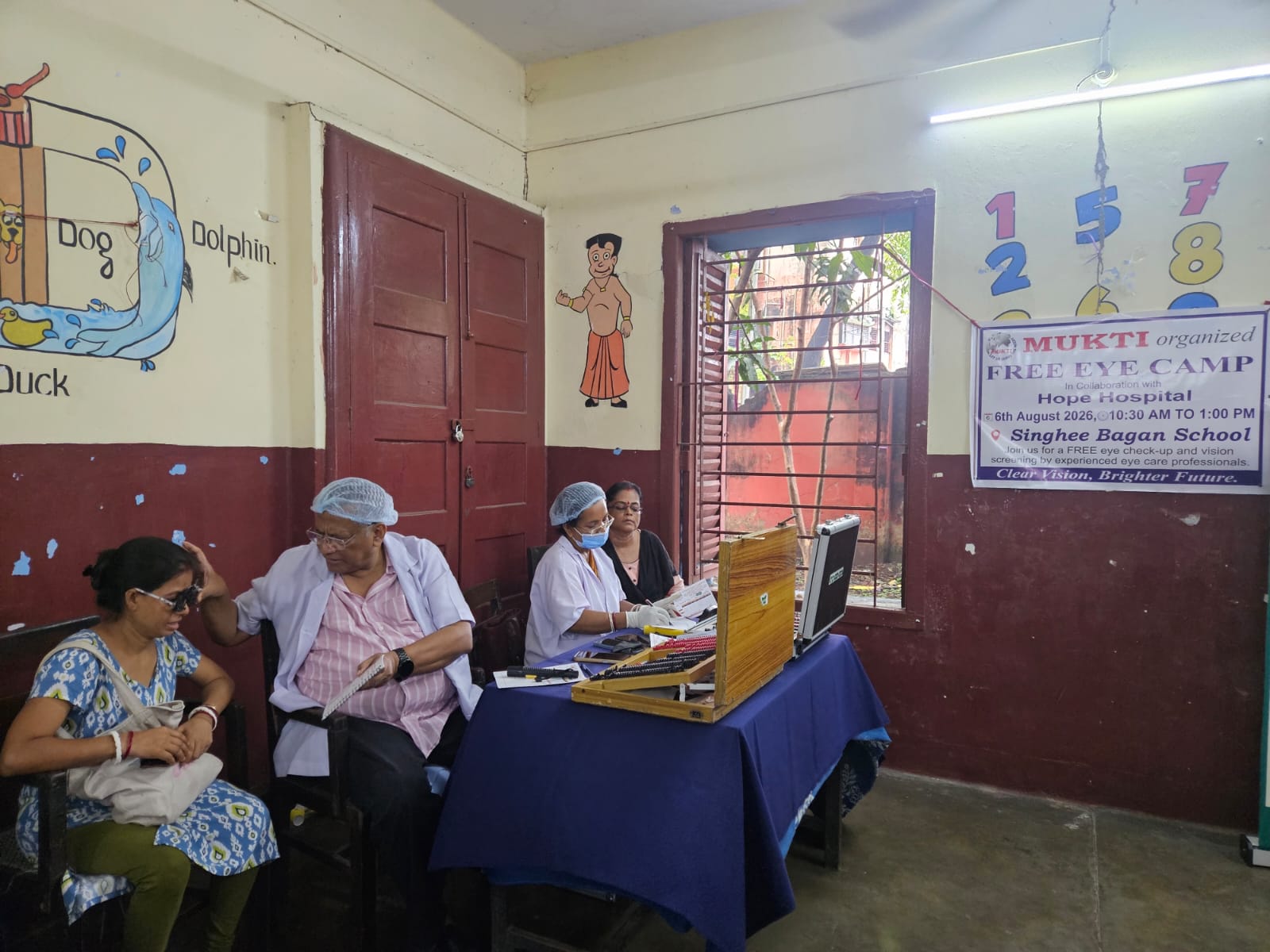
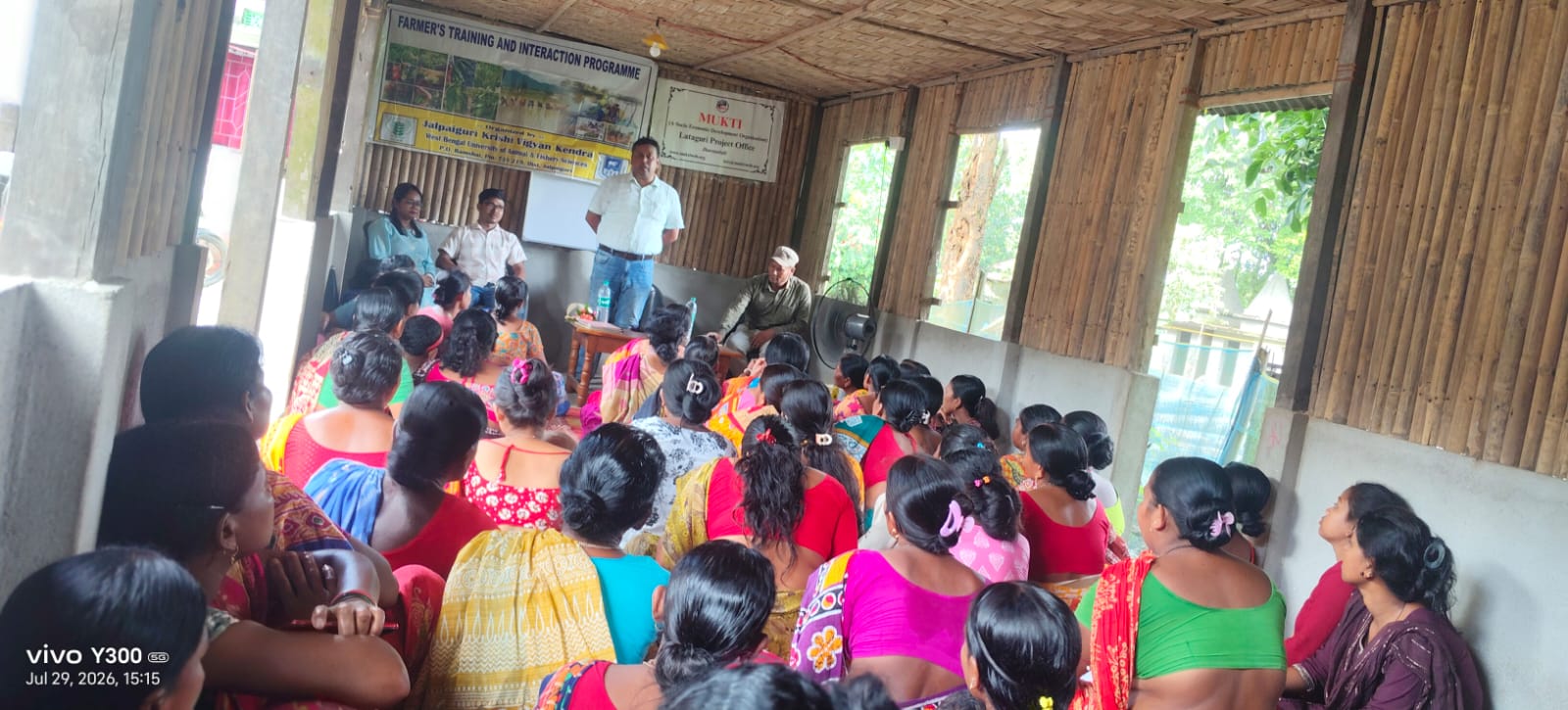
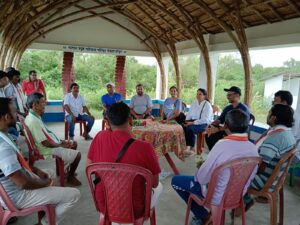
Technical Training on Scientific Backyard Poultry Management at Lataguri
A Technical Training on Scientific Backyard Poultry Management was successfully conducted by Ramsai Krishi Vigyan Kendra (KVK), Jalpaiguri, and organised by MUKTI under the NIRMAN Project at Uttar Jharmatiali, Lataguri. The training witnessed the participation of approximately 65 attendees, including 62 community members, MUKTI Self-Help Group (SHG) leaders and members, and representatives of the project’s....
View More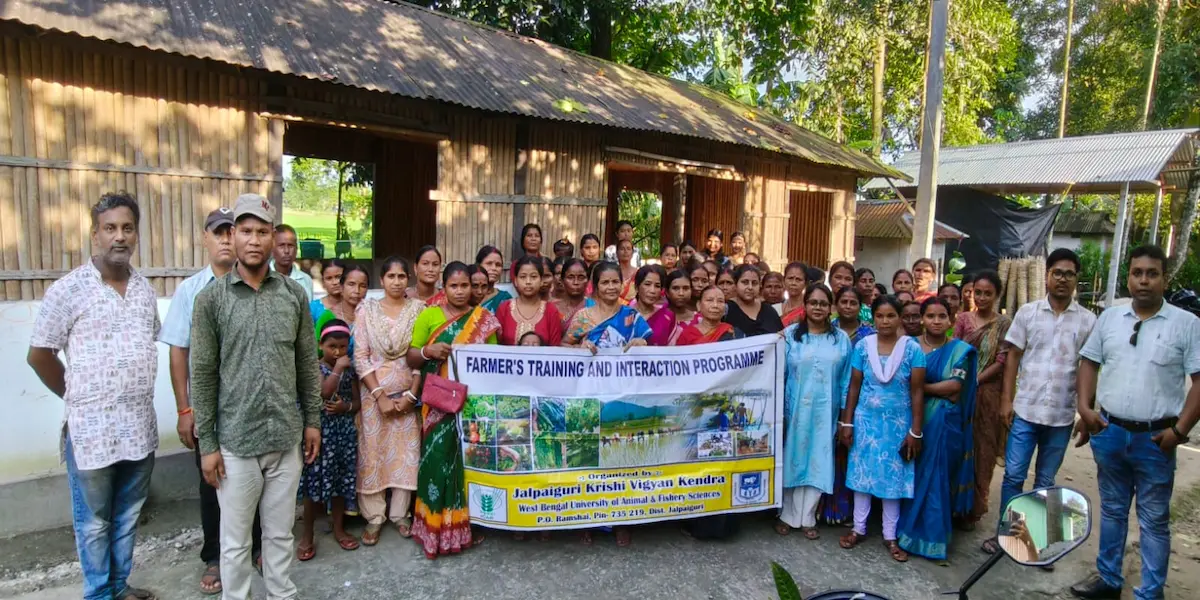
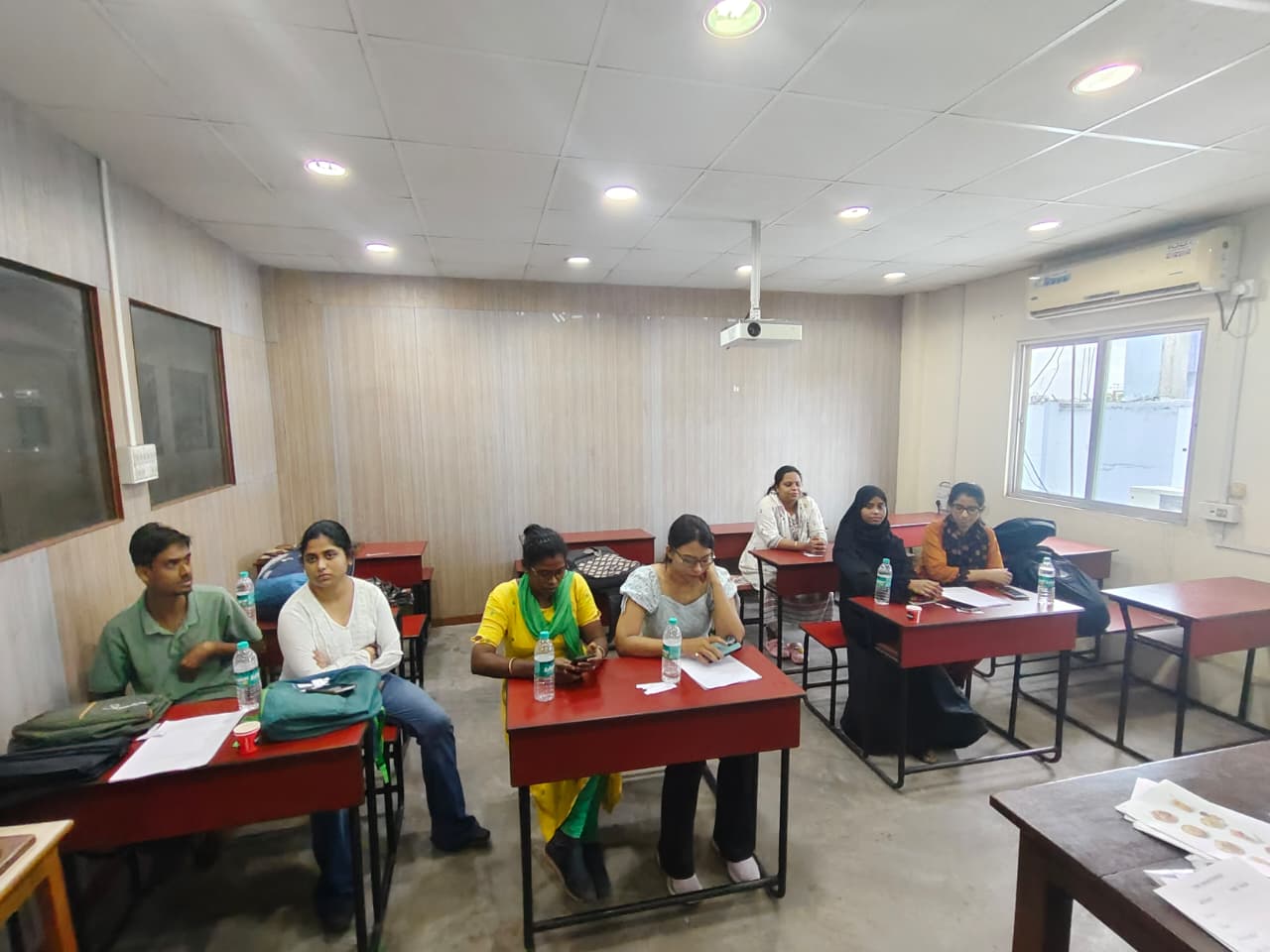
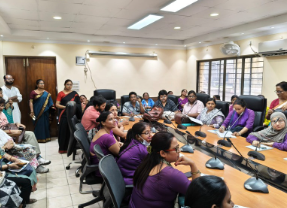
Mukti Collaborates with Teach India Foundation to Strengthen Teacher Capacity
Kolkata | Freemasons Hall, Park Street Mukti has partnered with the Teach India Foundation to enhance the professional skills and teaching capacities of educators associated with its community education programmes. As part of this collaboration, the first session of a seven-day Teacher Capacity Building Workshop was successfully conducted at Freemasons Hall, Park Street, Kolkata. The....
View More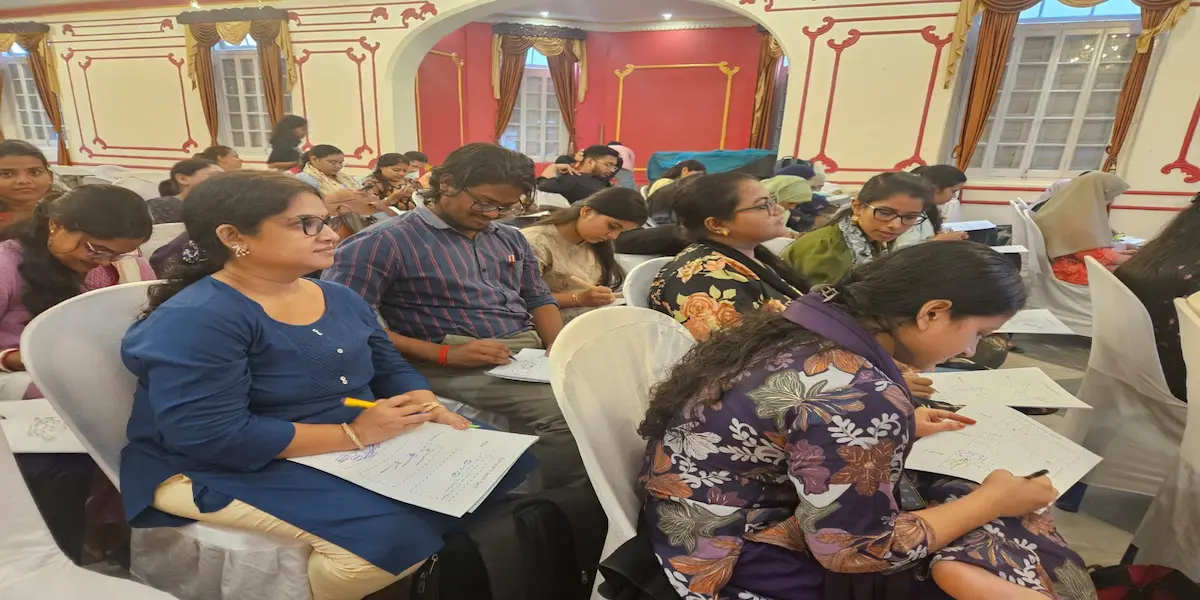
MUKTI Organises Technical Training on Scientific Backyard Poultry Management under the NIRMAN Project
As part of its ongoing efforts to promote sustainable livelihoods and strengthen rural income generation, MUKTI organized a Technical Training on Scientific Backyard Poultry Management under the NIRMAN Project, supported by Canara Bank, at Uttar Jharmatiali, Lataguri. The training was conducted by Ramsai Krishi Vigyan Kendra (KVK), Jalpaiguri, with the objective of equipping community members....
View More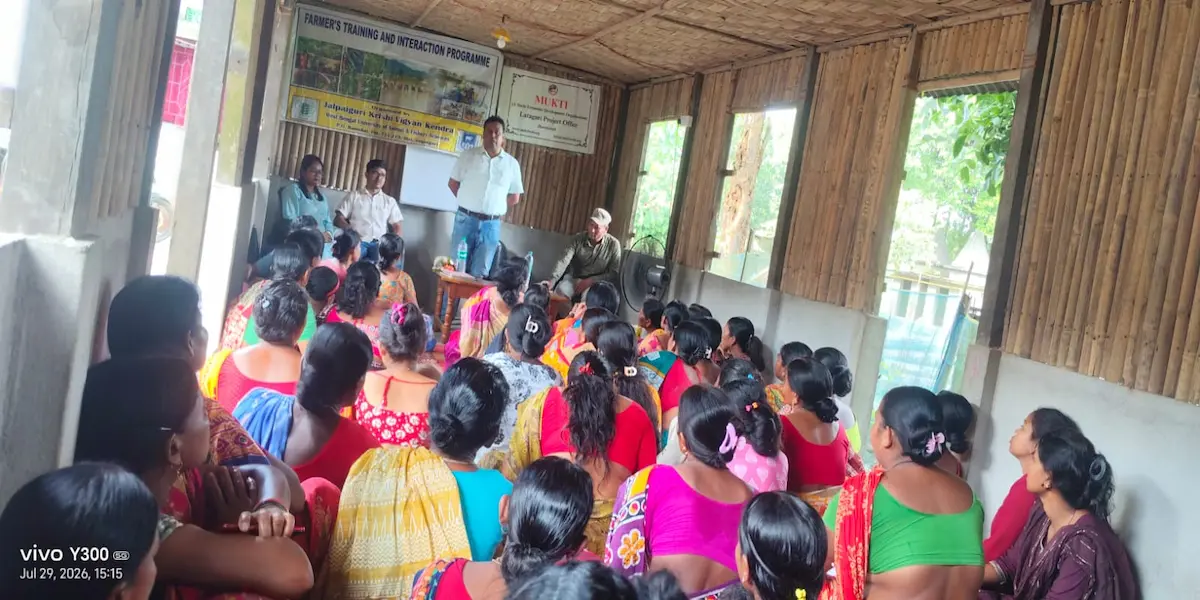
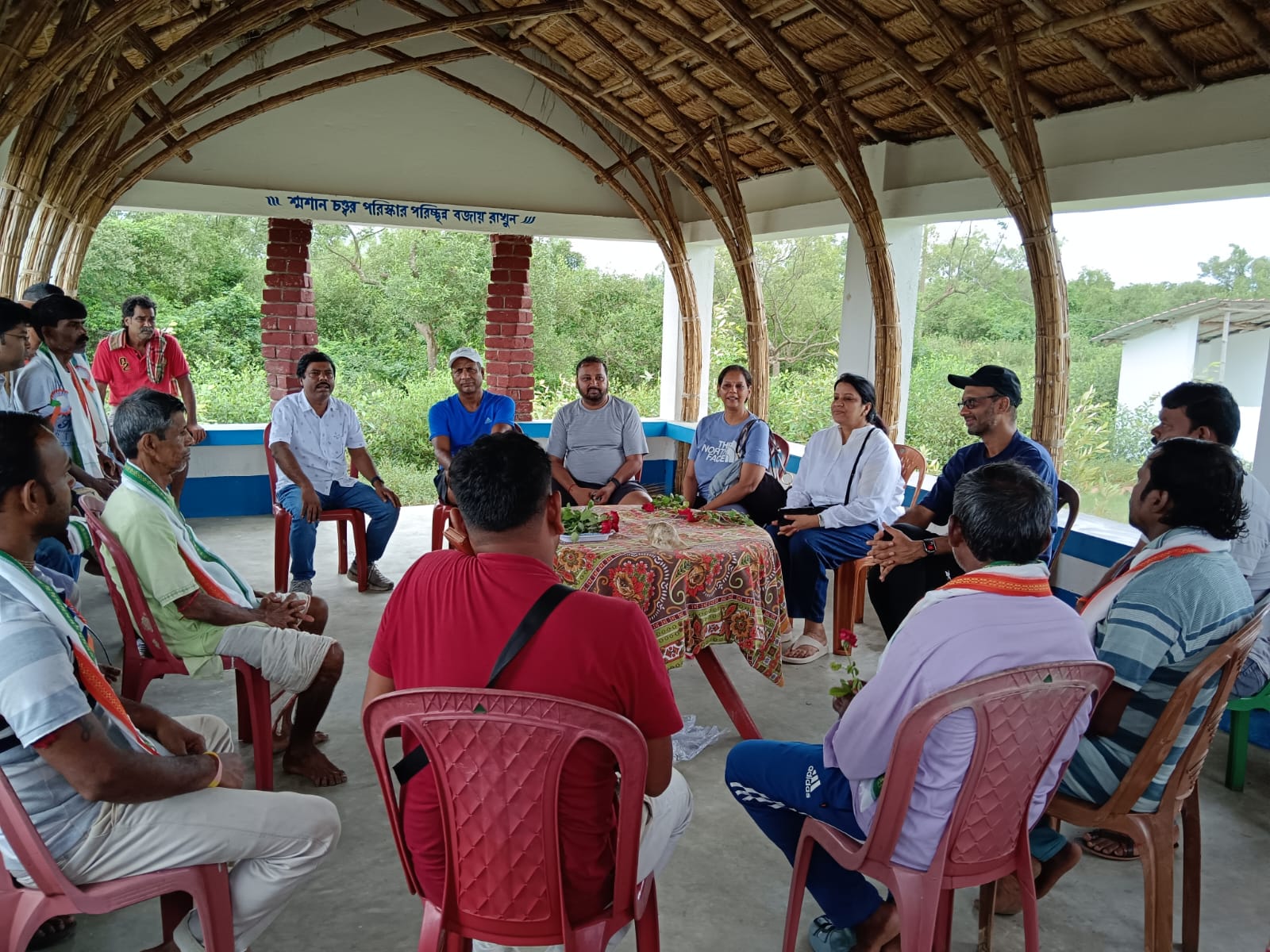
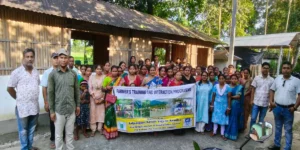
Srijan and Primarc Representatives Visit Mukti Bio Village and Mukti Gram to Explore Sustainable Rural Development
A two-day visit by representatives from Srijan and Primarc to Mukti Bio Village and Mukti Gram at Purba Sridharpur and Damkal on 25–26 July 2026 provided an opportunity to showcase Mukti’s integrated approach to sustainable rural development while exploring avenues for future collaboration. The visiting delegation included Mr. Pawan from Srijan, Mr. Mahesh from Primarc, and....
View More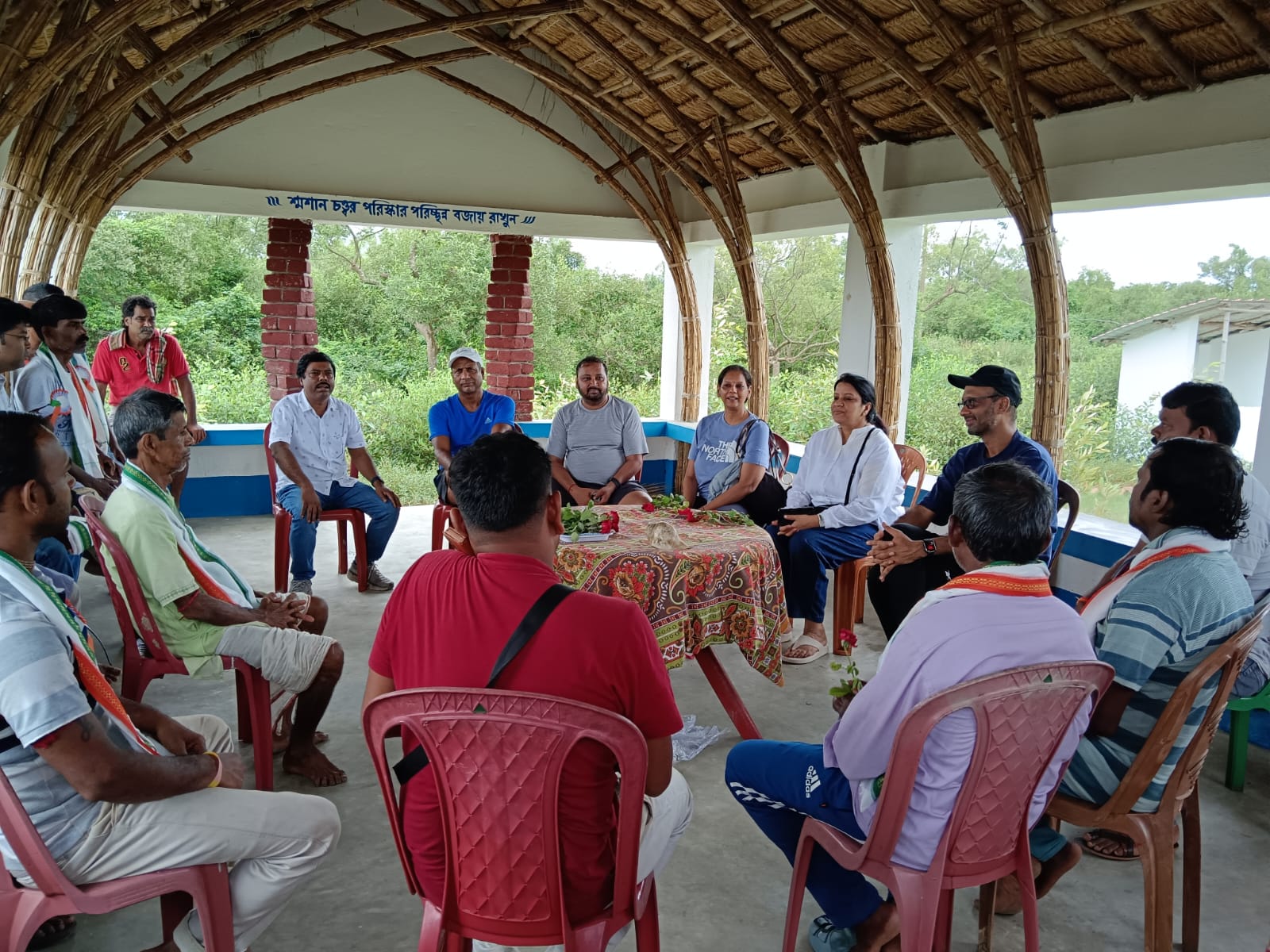
Program Dashboard

4,233
People Supported

16,522
Man-Days Created

1,550
Marginalized Women Supported

23
Different Projects
01. Why the Program is?
● The targeted rural regions lack basic infrastructures like roads, electricity, and clean water facilities, making it difficult for residents to maintain a decent standard of living.
● People have limited access to healthcare services and quality education in rural areas hinders the development of a healthy, informed community, thereby affecting the region’s growth prospects.
● The area suffers from high unemployment rates and limited sustainable livelihood options. This results in poverty and forces many to migrate to urban areas in search of better opportunities.
● Despite the presence of various government schemes for rural development, many villagers are unaware or unable to access these benefits due to bureaucratic hurdles or lack of information.
● There is a significant gap between the aspirations of rural residents and the resources available to them. An integrated development program can help bridge this gap and align resources with community aspirations.
● Rural communities often struggle with social issues like gender inequality and lack of decision-making power among marginalized groups.
● Promoting self-reliance in areas such as education, health, and employment is essential for fostering a resilient, self-sufficient community that is less dependent on external aid.
03. What is the Objective?
● To build and improve basic infrastructure such as roads, electricity, and clean water facilities in the rural villages.
● To ensure access to quality healthcare services and education, thereby promoting a healthy and informed community.
● To create sustainable employment and livelihood opportunities in rural areas, thus reducing poverty and migration rates.
● To facilitate easier access and increase awareness of government programs and schemes designed for rural development.
● To bridge the gap between the aspirations of the rural residents and available resources, aligning development initiatives with community aspirations.
● To empower marginalized groups and promote gender equality, ensuring a participatory approach to decision-making within the community.
● To foster self-reliance in key areas like education, health, and employment, encouraging a resilient, self-sufficient community.
● To ensure that all development initiatives are sustainable and do not harm the local environment or deplete local resources.
04. Where the Program is?
South 24 Pgs, Howrah, East Medinipur and West Medinipur districts of West Bengal, India
05. How we are working ?
A dedicated implementation team is involved in the successful delivery of the programs. Each project of the said program has a dedicated field coordinator and supervisor who are looking after different projects and are actively engaged in the project’s implementation. A Program Lead oversees and monitors the project on a weekly basis and provides regular reports to the funding agency according to the required format.
Contact Info
Email : agriculture@muktiweb.org
Phone : +91-6290589664
Address
22 Canal Side Road, Barhans, Garia, Kolkata – 700 084





.jpeg)
.jpeg)
.jpeg)